
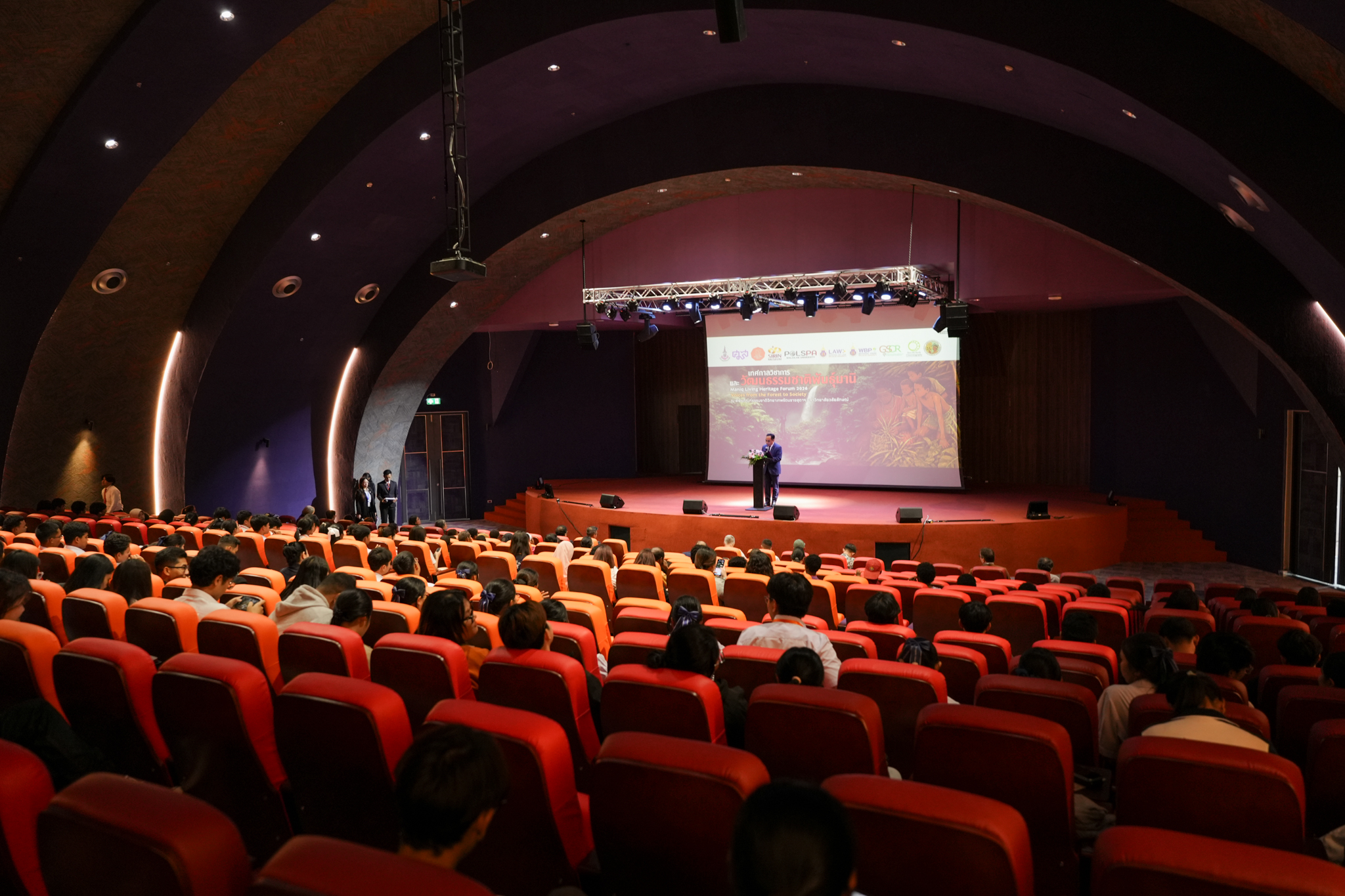
DAY 1: Inspiring Opening with the Documentary Screening “Maniq Chronicles: The Jungle’s Legacy”
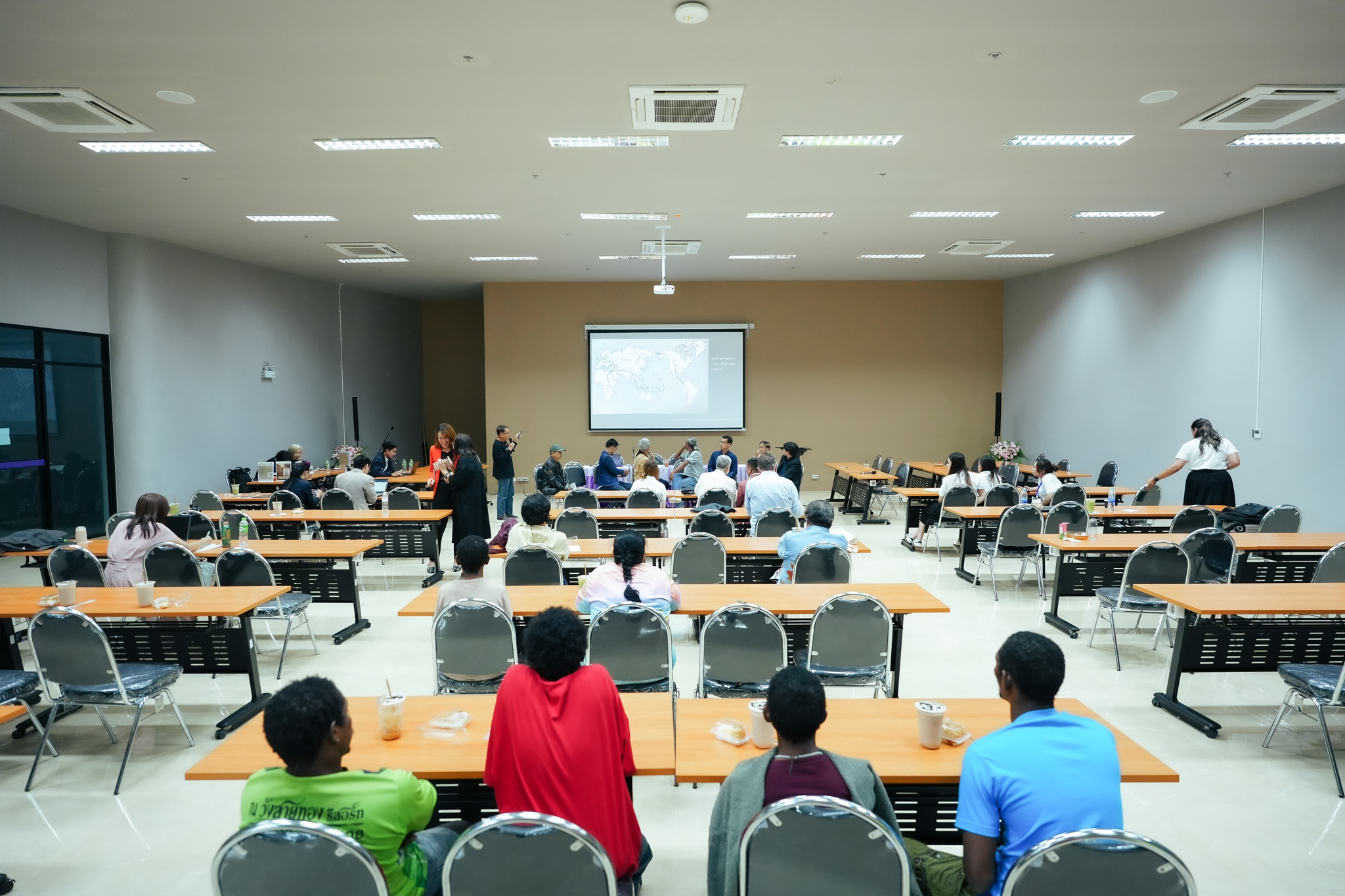
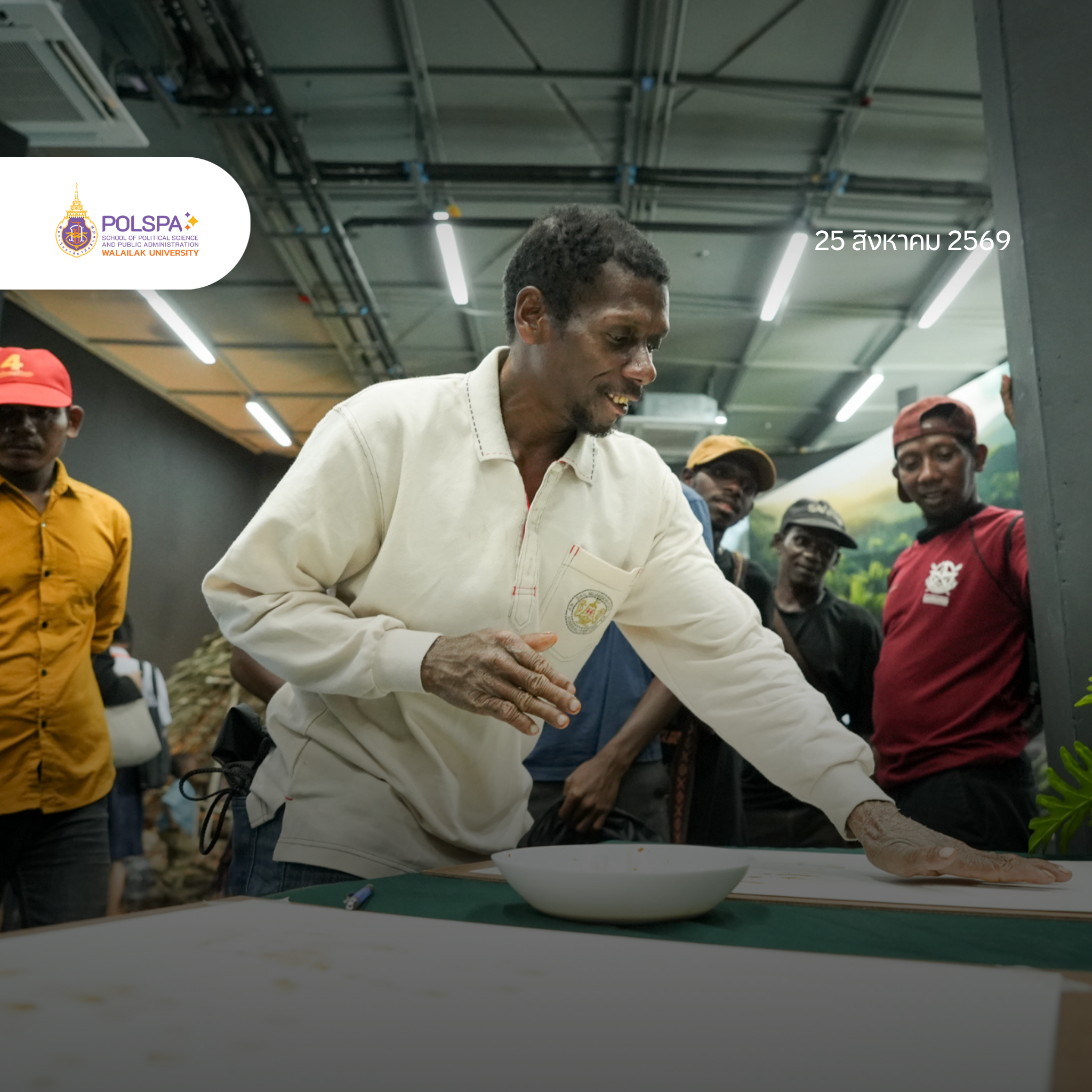
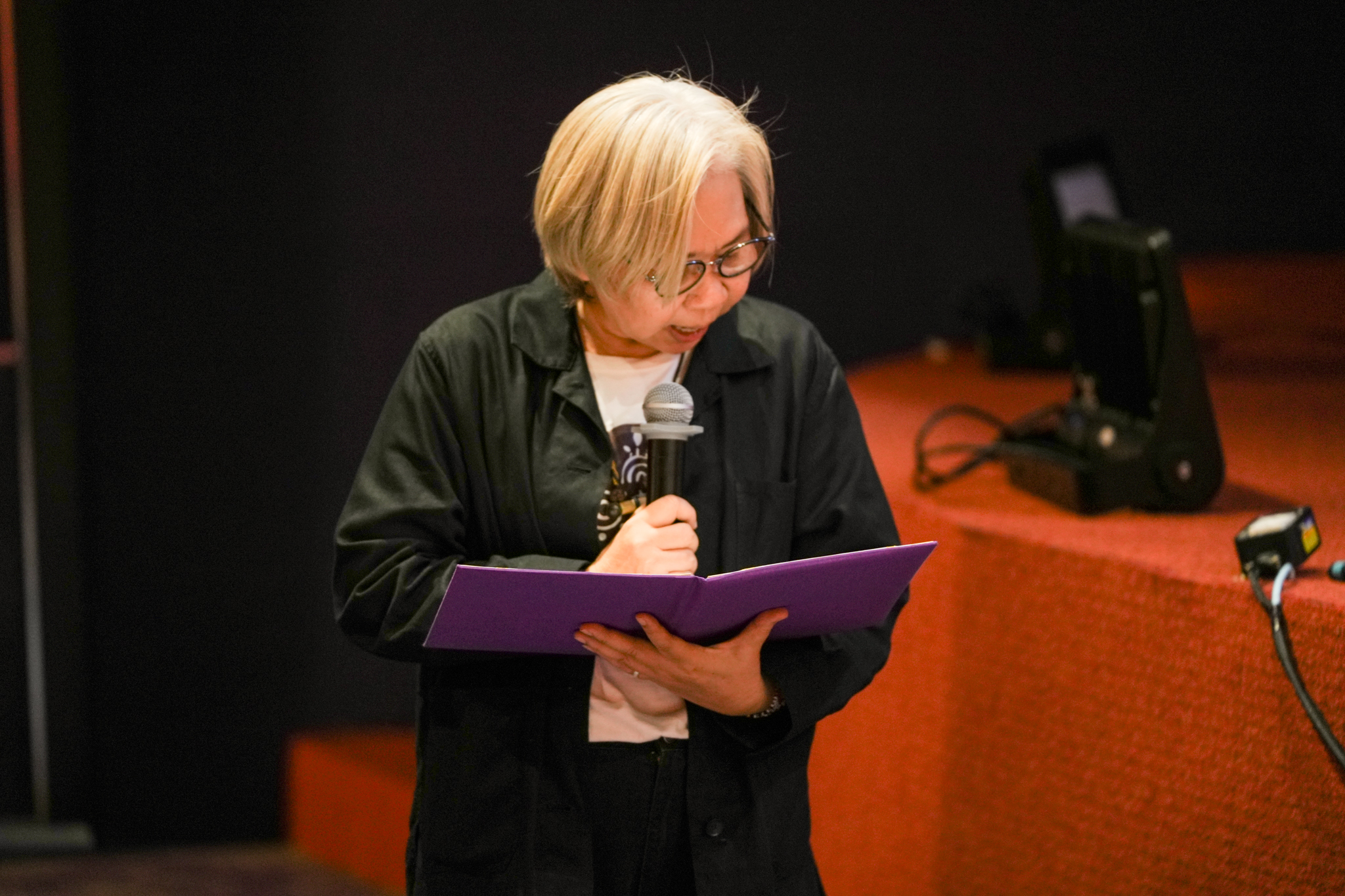
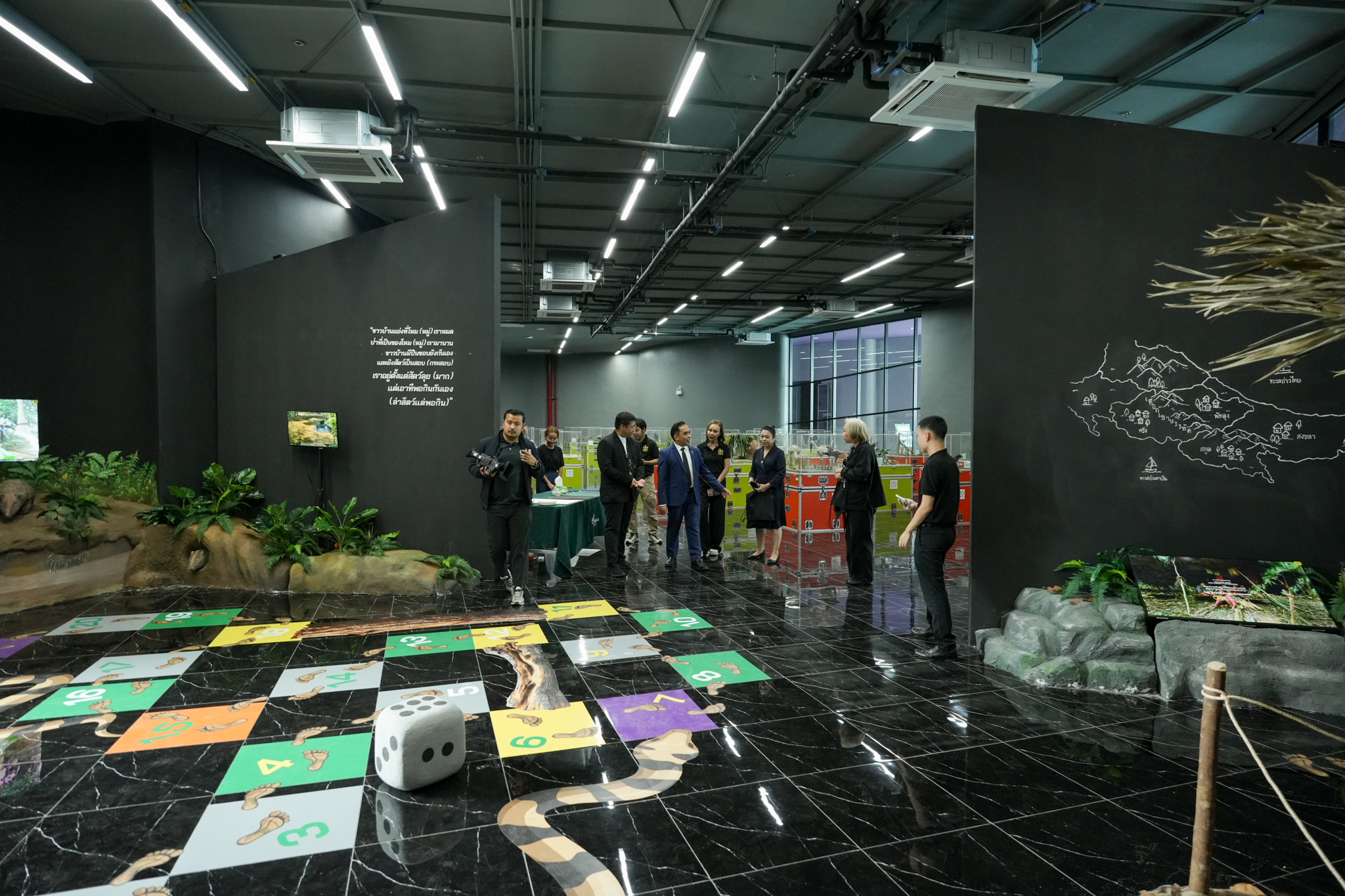
On Tuesday, August 25, 2026, the Natural History Museum at Walailak University hosted the screening of the historical and ethnic documentary series “Maniq Chronicles: The Jungle’s Legacy” (มันนิ เรื่องเล่าจากเขาบรรทัด). Associate Professor Dr. Charun Boonkang presided over the opening ceremony, with Assistant Professor Dr. Siriporn Somboonboorana, a faculty member of the International Relations Program, presenting the report and welcoming the chairperson. The event drew strong interest, with a large attendance of students, faculty staff, and members of the public.
The highlight of the day was the large-screen projection of two pivotal episodes:
-
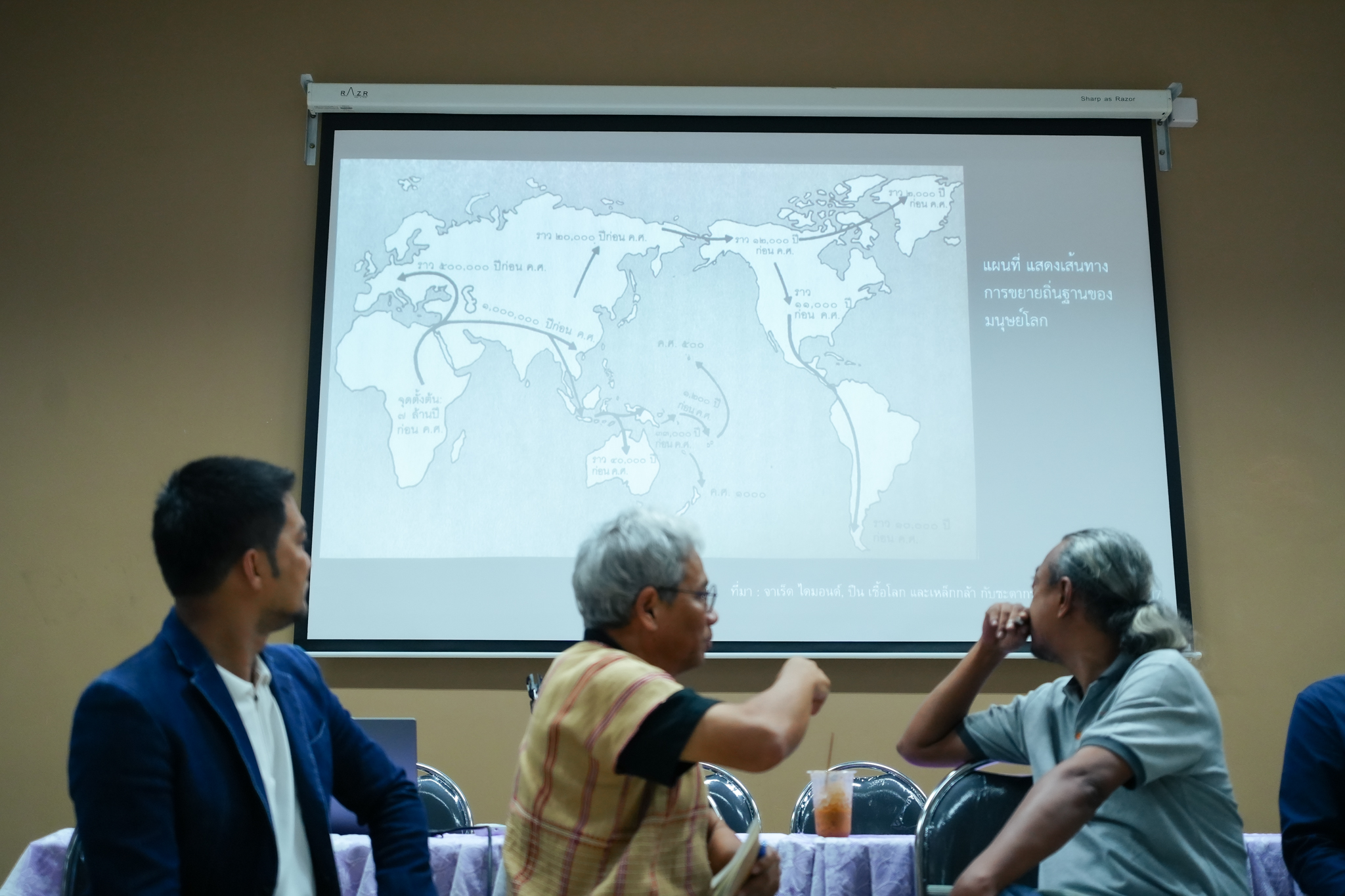
Episode 2: “The Wanderers” (Nomadic Life), which illustrates the migration patterns and settlement-building of the Maniq people.
-
Episode 6: “A New World”, which captures the historic transition from a foraging society to a semi-agricultural lifestyle.
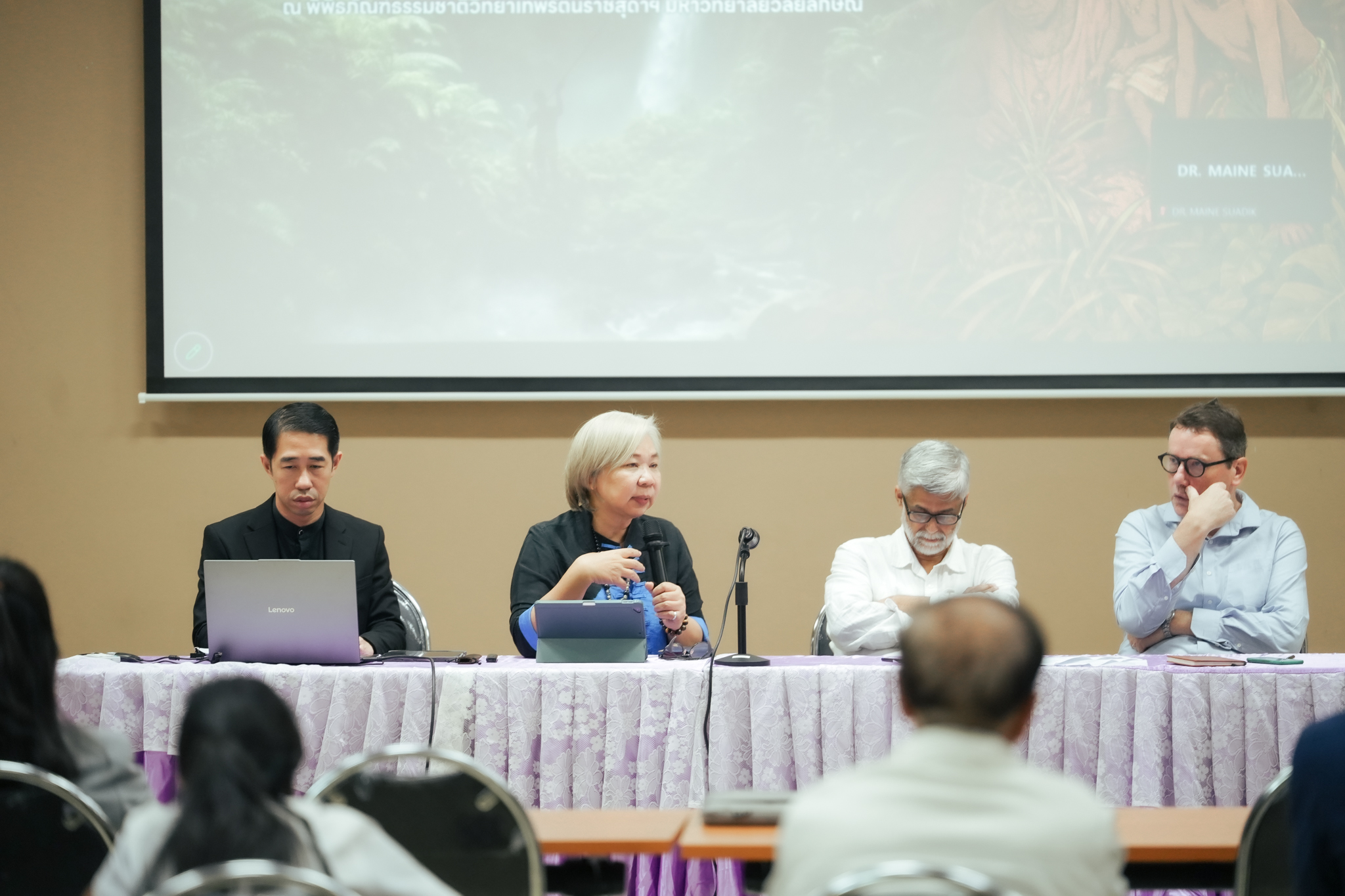
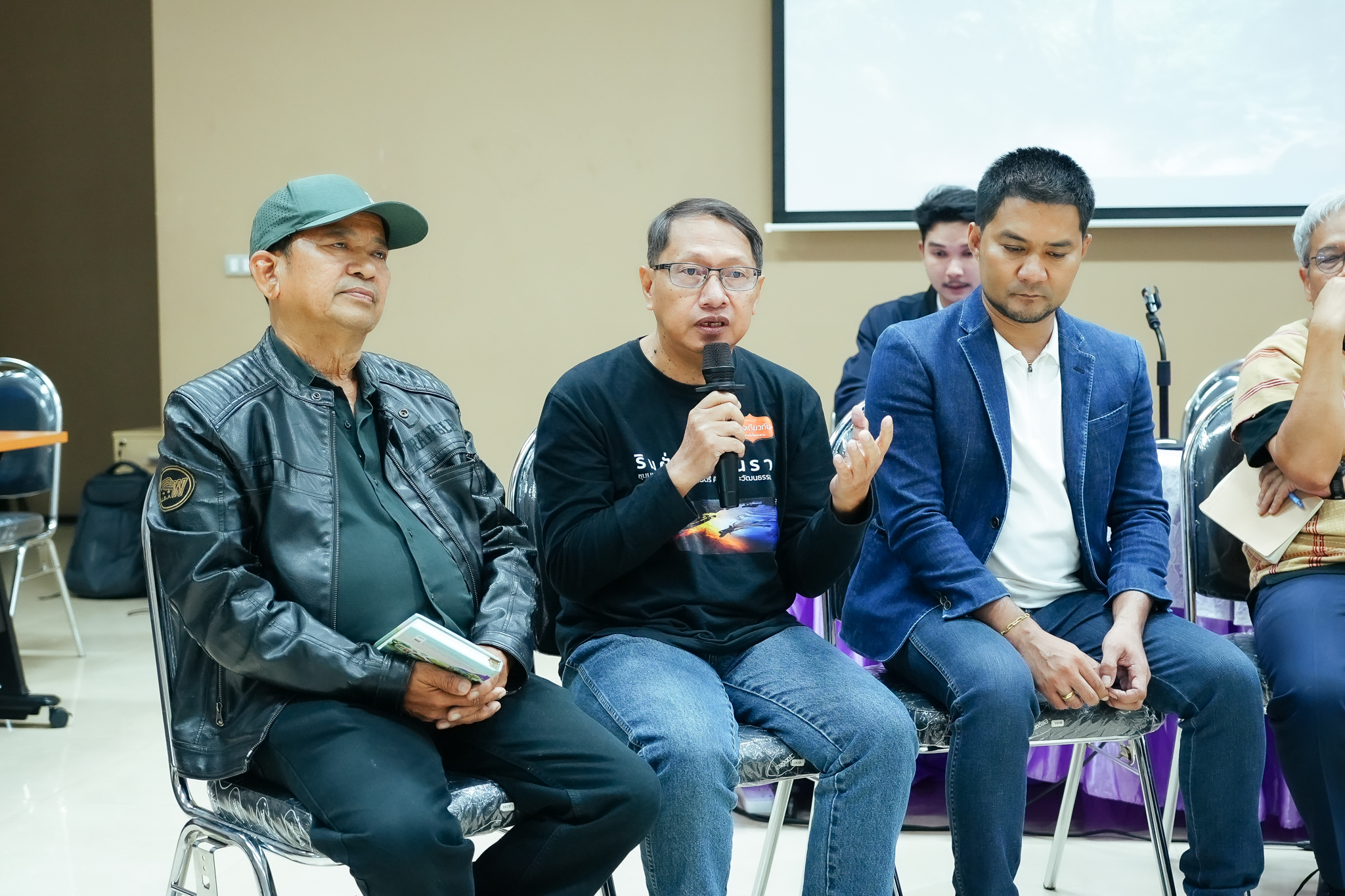
The screening was accompanied by an intimate panel discussion featuring representatives of the Maniq community alongside the documentary directors. The session aimed to raise public awareness about human rights and promote peaceful coexistence within a culturally diverse society.
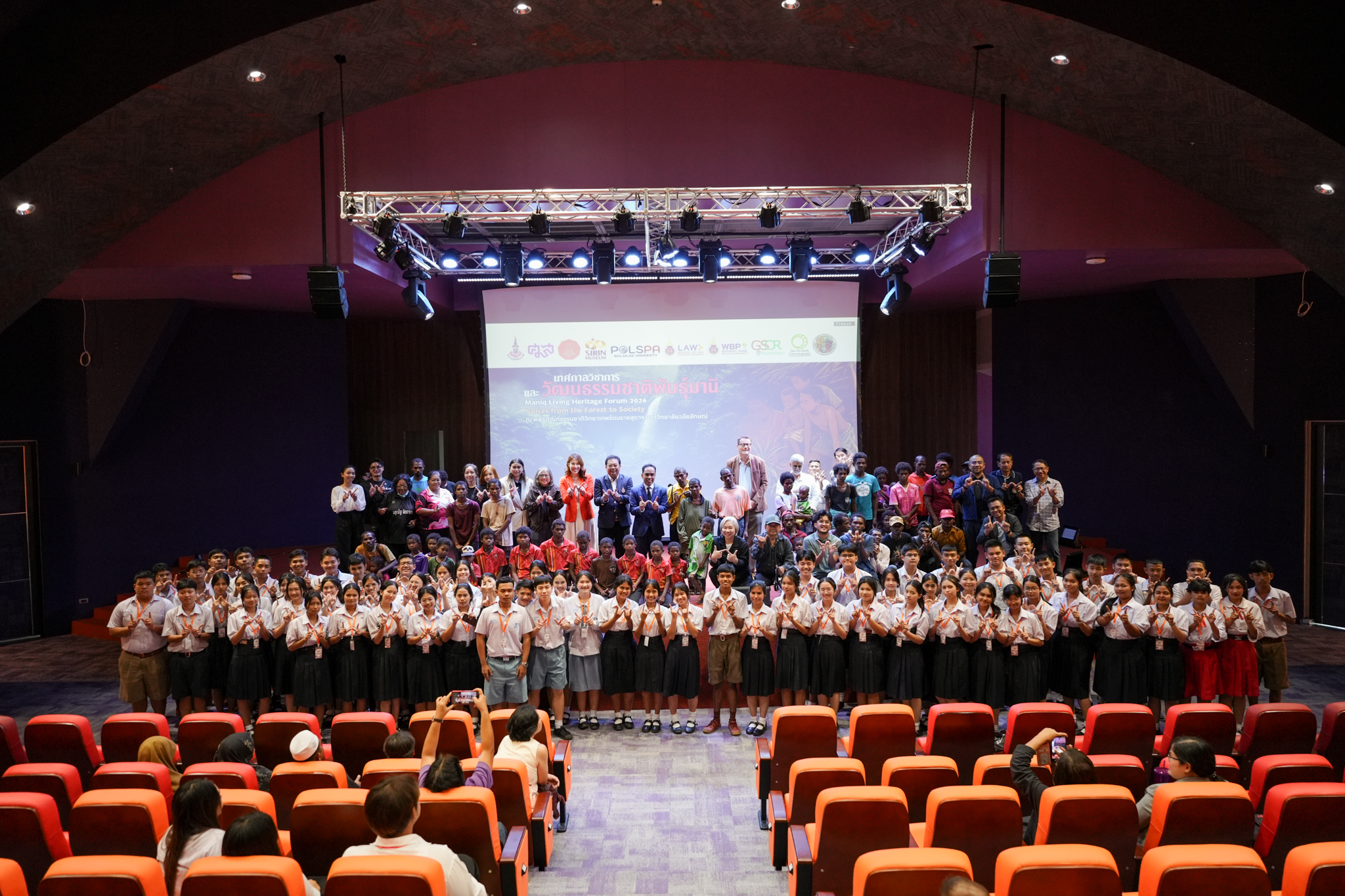
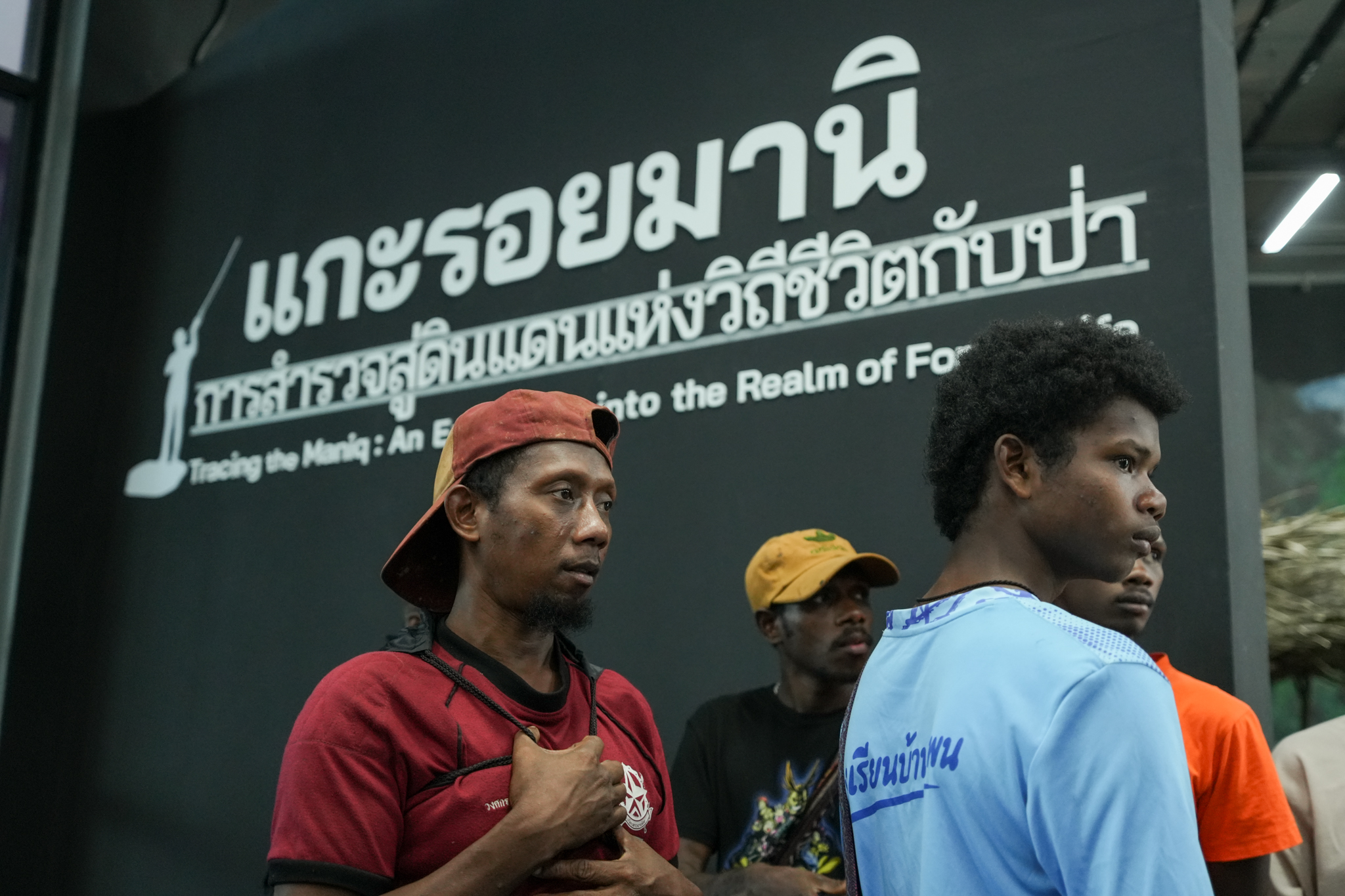
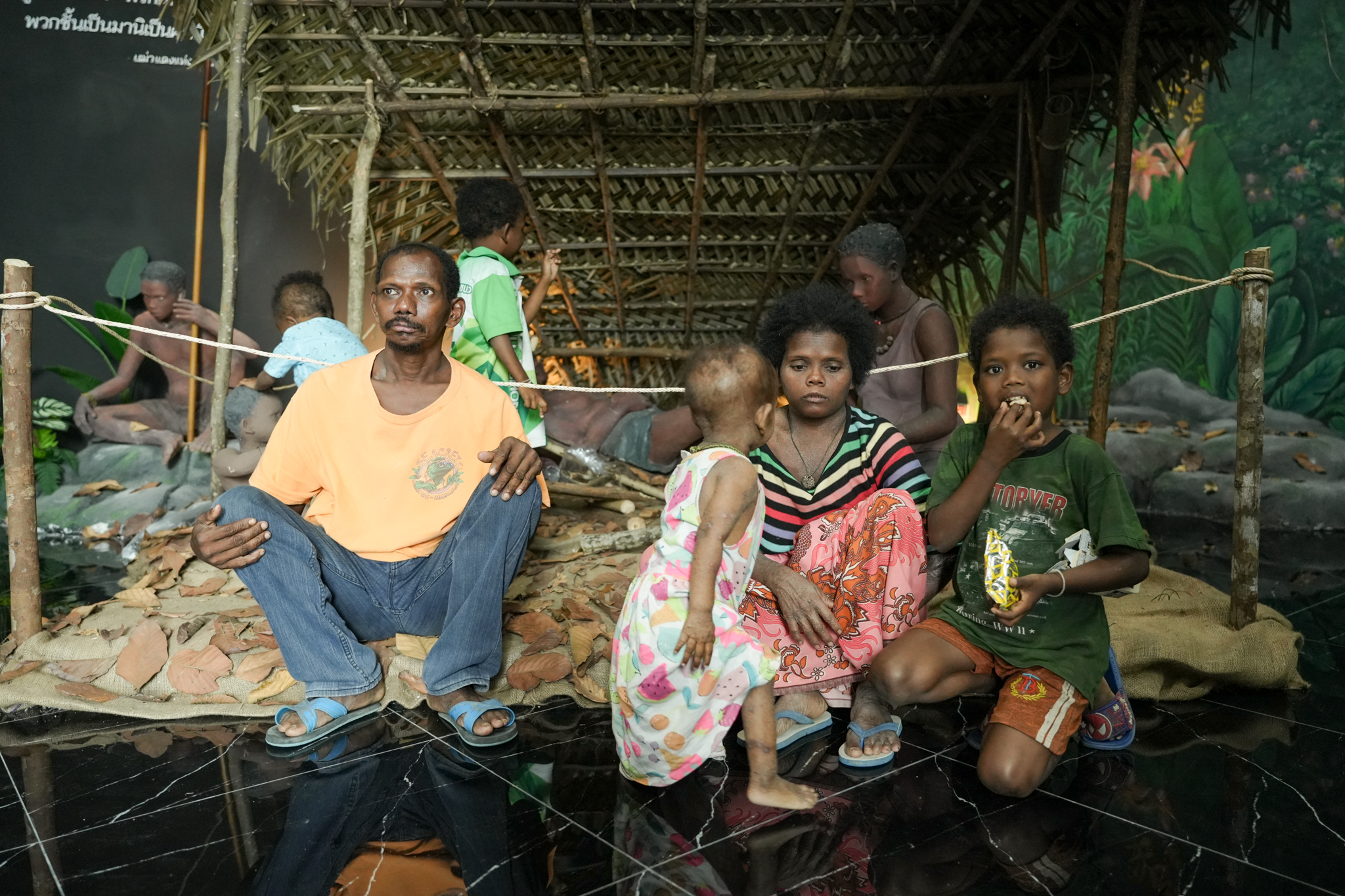
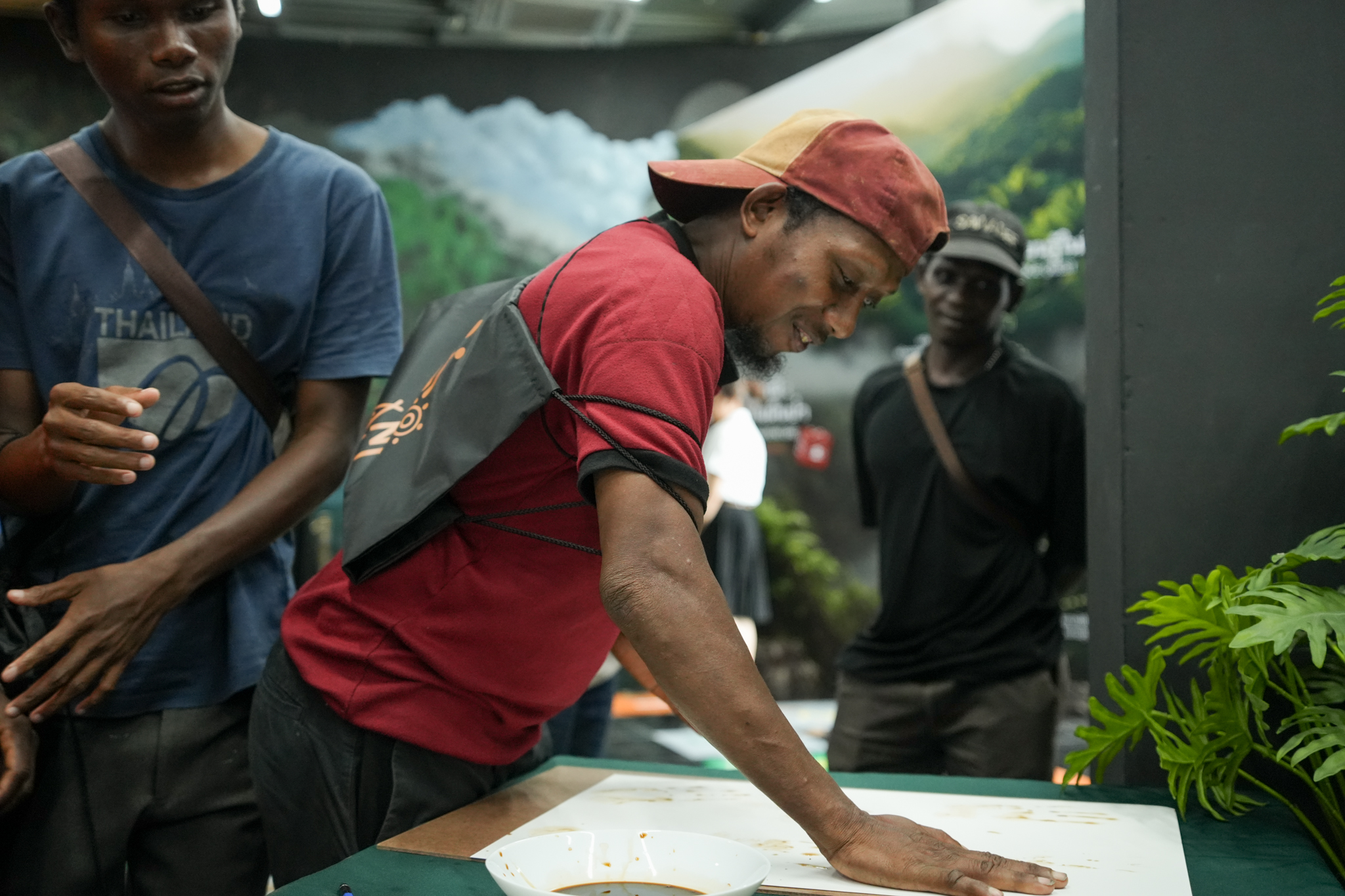
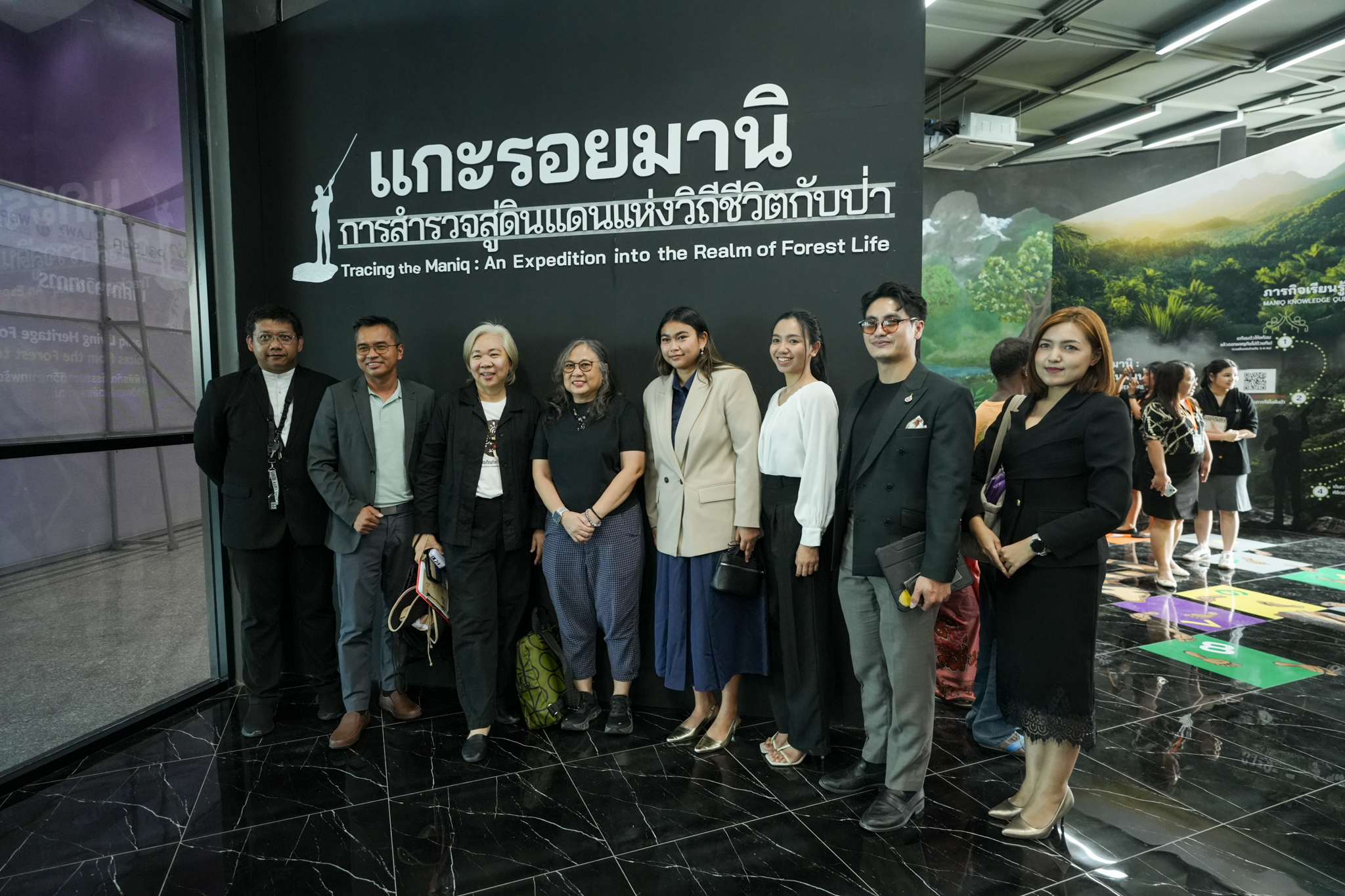
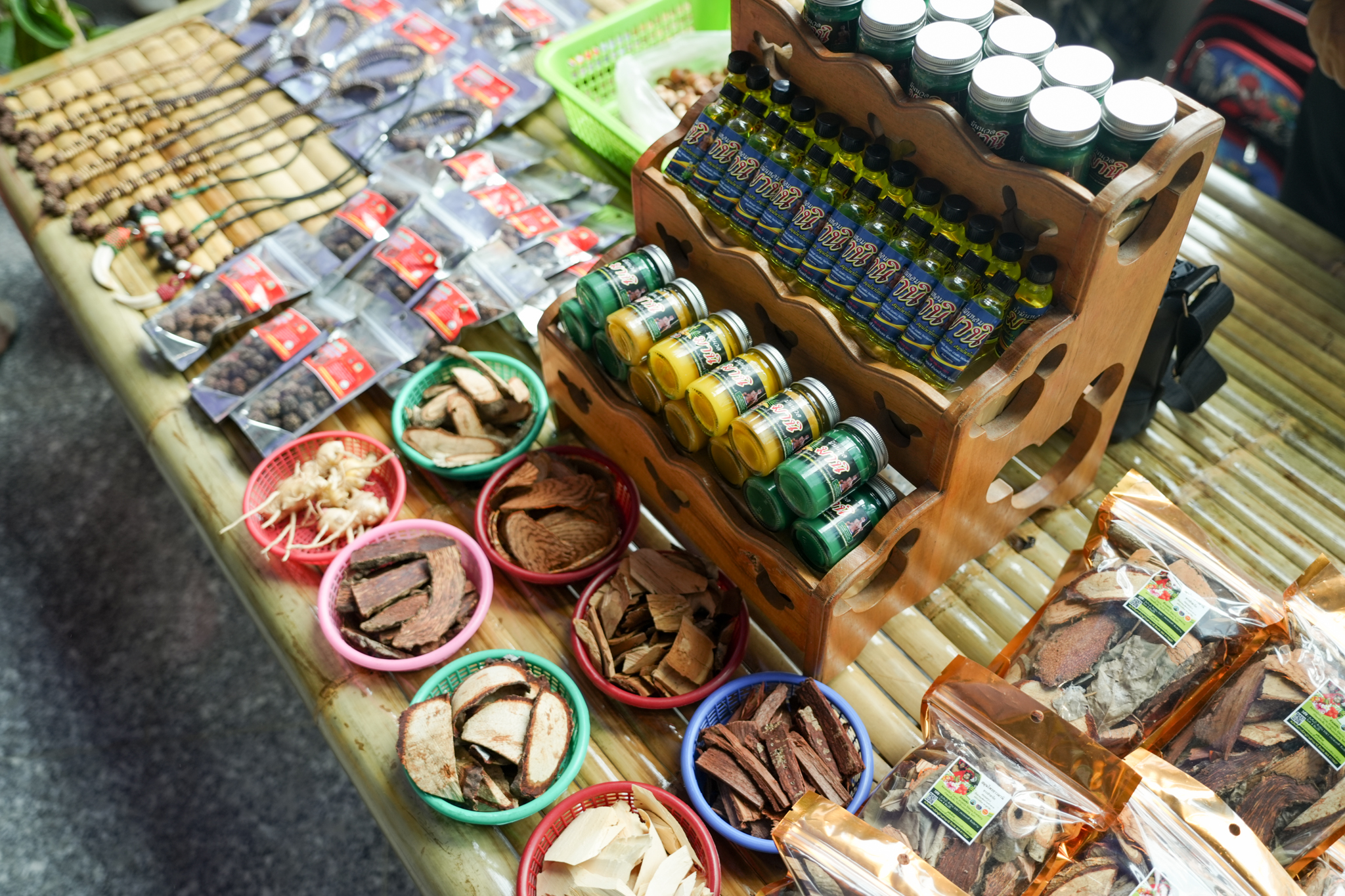
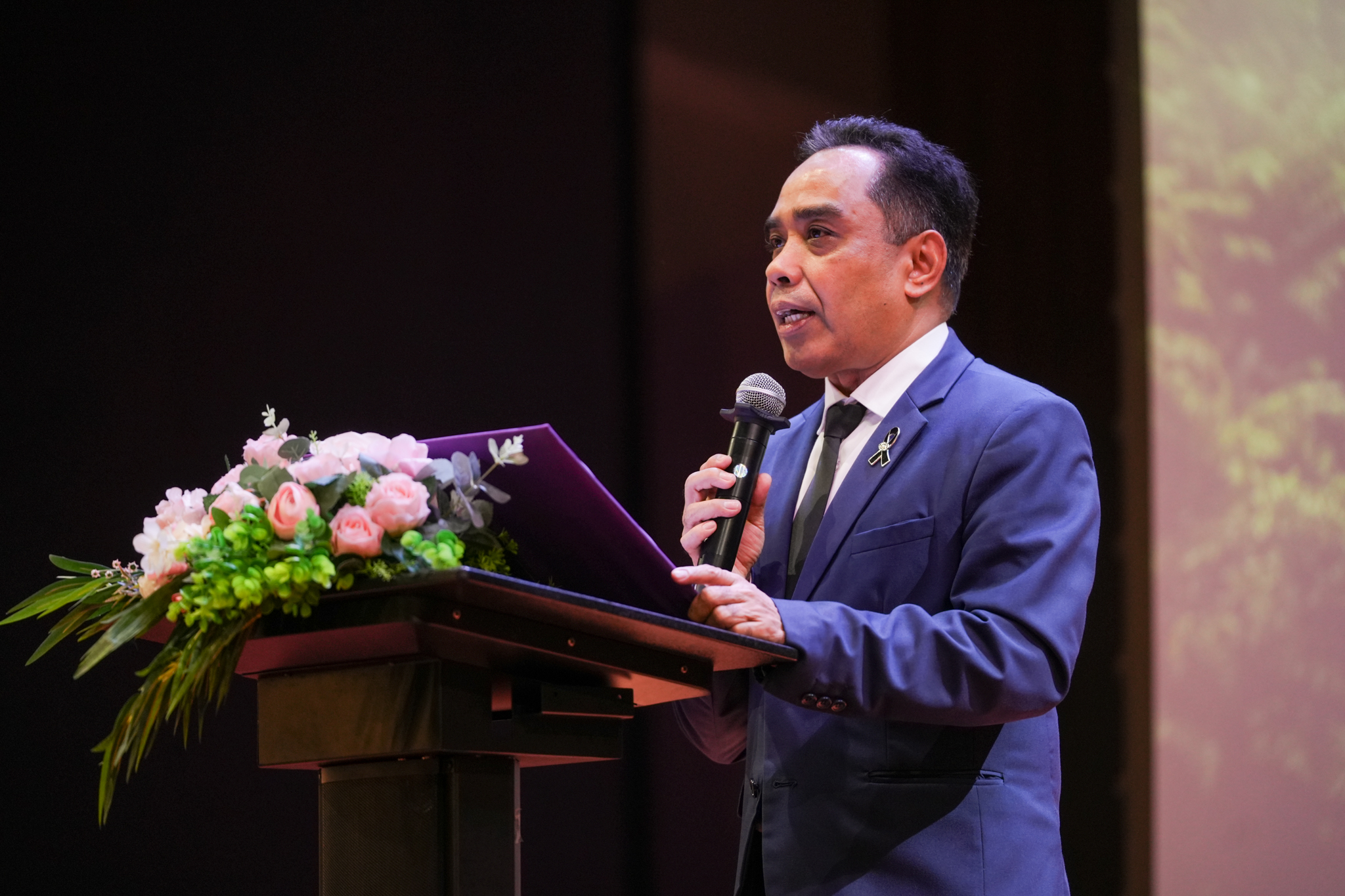
DAY 2: Elevating to an International Academic Platform: “Voices from the Forest to Society”
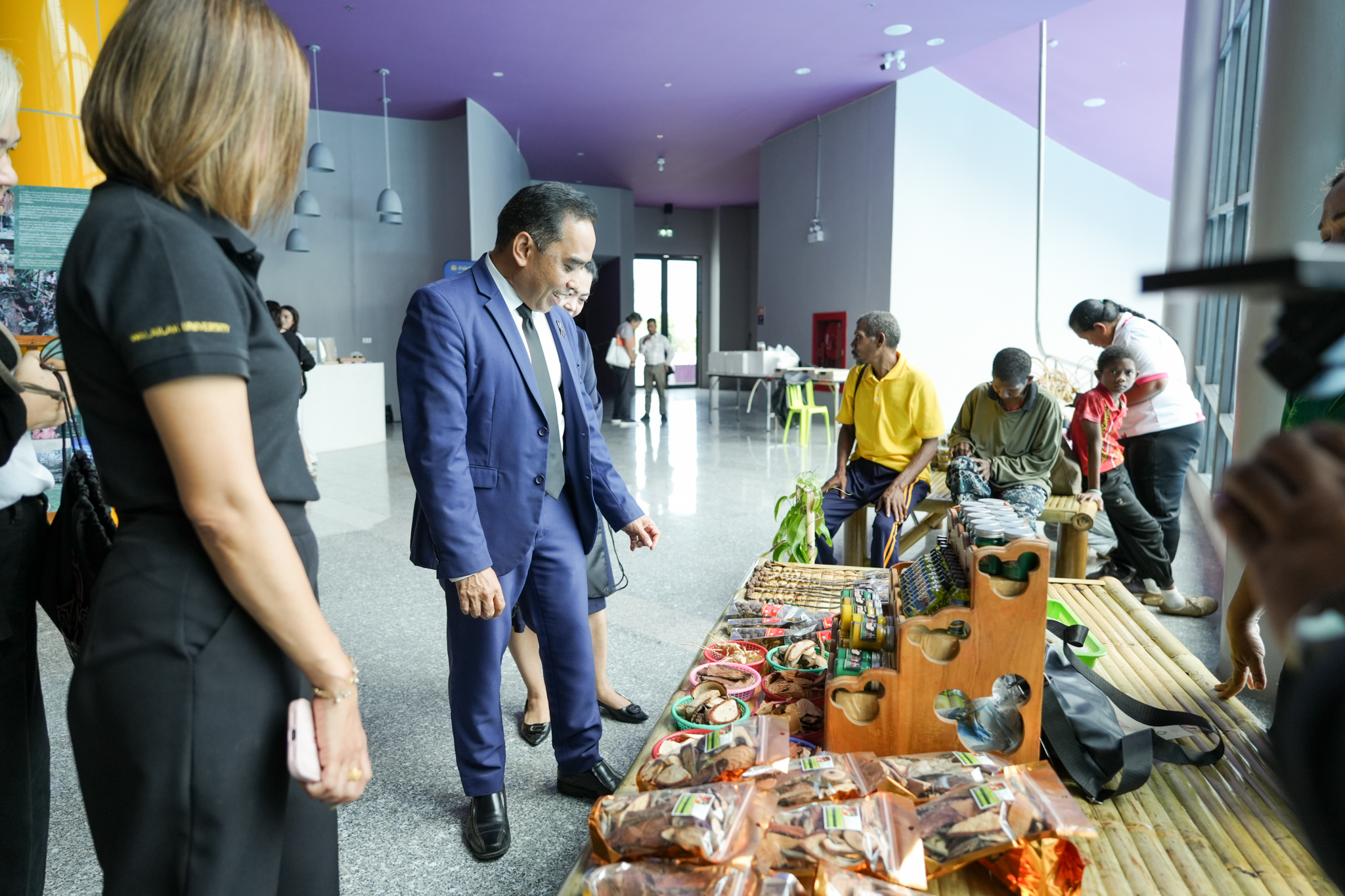
On Wednesday, August 26, 2026, the forum transitioned into an academic conference and cultural festival under the theme “Voices from the Forest to Society: Collaborative Learning for the Future of the Maniq People.”
The morning session commenced with a keynote address on “Ethnobotany in the Context of RSPG” (Plant Genetic Conservation Project under the Royal Initiative of Her Royal Highness Princess Maha Chakri Sirindhorn). This was followed by a key panel discussion titled “From ‘Who They Are?’ to ‘Who Defines Who They Are?’: Politics of Indigenous Knowledge in Asia?”, featuring Asst. Prof. Dr. Siriporn Somboonboorana as a keynote speaker and Dr. Anusorn Chai-aksornwej, lecturer in International Relations, as the moderator. The panel actively addressed issues regarding state power, legal frameworks, and Indigenous rights.
In the afternoon, deliberations continued with in-depth discussions on “Indigenous Knowledge, Forests, and Environmental Justice,” followed by the “Round Table: Community Dialogue: Indigenous Voices Across Asia,” which brought together scholars from across the region to exchange insights.
The event concluded with a Closing Plenary and the official announcement of the Walailak Declaration on Indigenous Knowledge and Living Museum. This landmark declaration represents a vital step forward for educational institutions in advocating for the sustainable recognition of ethnic rights, local wisdom, and living heritage.