

The 6th APPBIPA Thailand International Conference
8–9 December 2026 | Sri Thammarat Conference Room, AD Building | Walailak University, Nakhon Si Thammarat, Thailand
The 6th APPBIPA Thailand International Conference
Strengthening Indonesian Language, Literature, and Culture in the Digital Age:
AI Integration, BIPA Pedagogy, and Transnational Literary Dialogues
(Penguatan Bahasa, Sastra, dan Budaya Indonesia di Era Digital: Integrasi AI, Pedagogi BIPA, dan Dialog Sastra Transnasional)
8–9 December 2026 · Walailak University, Nakhon Si Thammarat, Thailand
Hosted by the School of Political Science and Public Administration, Walailak University
Welcome
The 6th APPBIPA Thailand International Conference brings together scholars, educators, translators, students, diplomats, and cultural practitioners to explore how Indonesian language, literature, and culture can be taught, studied, and shared in a rapidly changing digital world.
Over two days, participants will take part in keynote addresses, academic panels, paper presentations, hands-on workshops, a book launch, a literary prize showcase, a high school speech competition, and cultural performances. Together, these activities connect the growing community of BIPA (Bahasa Indonesia bagi Penutur Asing) educators and Indonesian studies scholars across Thailand and Indonesia.
Why This Conference
Indonesia is ASEAN’s largest economy and the world’s fourth most populous nation, and it plays an increasingly central role in Southeast Asia’s political, economic, and cultural life. Through BIPA, Indonesia has actively promoted its language and culture to learners worldwide. For Thailand, Indonesian language skills and cultural literacy are increasingly important for trade, diplomacy, and educational cooperation.
Thailand has become a vibrant centre for BIPA teaching and Southeast Asian scholarship. Indonesian studies are offered at universities across the country, including Thammasat, Chiang Mai, Kasetsart, Naresuan, Songkhla Rajabhat, Yala Rajabhat, Fatoni, and Prince of Songkla University (Pattani Campus), and Indonesian is widely taught as a third language in secondary schools across Southern Thailand.
Walailak University has been part of this movement for more than two decades. Since establishing its Southeast Asian Studies and Indonesian language courses in 2003, the School of Political Science and Public Administration has compiled the Indonesian–Thai Dictionary, developed standardized Indonesian proficiency frameworks for Thai learners, and published literary translations and interdisciplinary research.
Digital technology now offers new ways to access learning resources and collaborate across borders, while also challenging educators to adapt their methods and engage digital-native learners. This conference is a platform to examine these shifts, share research, and shape the future of BIPA pedagogy and Indonesian studies together.
Objectives
- To promote the strategic importance of learning Indonesian among students and the general public, in response to Indonesia’s growing regional significance.
- To provide an international platform for scholars, researchers, and educators to present research and exchange knowledge on Indonesian language pedagogy and Indonesian studies.
- To strengthen educators’ teaching skills through practical workshops on modern educational tools and digital teaching methods.
- To build academic networks and partnerships among BIPA instructors, researchers, and institutions in Thailand and Indonesia.
Conference Sub-themes
Teaching and learning BIPA
- Innovative BIPA pedagogy and second language acquisition in secondary and higher education
- Curriculum design, standardized language frameworks, and institutional policies for internationalizing BIPA
Digital innovation
- Generative AI, language models, and digital tools in language teaching and assessment
- Educational technologies, open-access resources, and self-directed learning in the digital era
Language, society, and regional relations
- Sociolinguistics, cultural diplomacy, and the soft power of Bahasa Indonesia in ASEAN and beyond
- Multidisciplinary perspectives in Indonesian studies, with a focus on Thai–Indonesian political, economic, and cultural relations
Literature and translation
- Contemporary Indonesian literature, criticism, and narrative identities, including themes of translation, loss, and social transformation in Southeast Asia
- Theory and practice of Indonesian-to-Thai translation, cross-cultural adaptation, and literary transfer
Conference Highlights
- Opening ceremony with a diplomatic address by the Ambassador of the Republic of Indonesia to Thailand
- Plenary address on global BIPA policy and international standards
- Three thematic panels: Indonesian Studies in Thailand, the launch of new Thai translations of Hikayat Hang Tuah and Cerita dari Blora, and the Panji Prizes literary showcase
- Approximately 50 research papers, including dedicated undergraduate sessions
- Seven interactive workshops on digital teaching tools, batik, Balinese dance and crafts, traditional performing arts, and poetry recitation
- High School Indonesian/Malay Speech Competition
- Award ceremonies: the 1st Panji Prizes for Indonesian Short Story Translation, Best Paper, Best Undergraduate Presentation, and speech competition honours
- Cultural performances and a video retrospective celebrating two decades of Walailak University’s partnerships with Indonesian institutions
- Day 2: a strategic dialogue between the Organizing Committee and APPBIPA Thailand to plan multi-year cooperation
Who Should Attend
- Faculty, researchers, BIPA educators, and Indonesian studies specialists from Thailand and Indonesia
- Undergraduate and graduate students from Thailand and abroad
- Secondary school students and teachers
- Diplomats, government officials, and partners from allied academic networks
- We expect around 480 participants.
Expected Outcomes
- Students at secondary and university level gain a stronger awareness of why learning Indonesian matters for their future.
- New research, teaching methods, and scholarship are shared and published through presentations and proceedings.
- Educators gain practical techniques for using digital tools in language teaching.
- Ties between universities, diplomatic missions, and educational associations in Thailand and Indonesia are strengthened for future collaboration.
Organizers and Partners
Hosted and organized by
School of Political Science and Public Administration, Walailak University, Thailand
Co-organized by
- APPBIPA Thailand
- Universitas Negeri Surabaya (UNESA), Indonesia
- Universitas Trunojoyo Madura (UTM), Indonesia
- Universitas Markandeya (UNDEYA), Indonesia
In collaboration with
The Embassy of the Republic of Indonesia in Bangkok, Thailand
Conference Leadership

Project Director
Asst. Prof. Dr. Siriporn Somboonboorana
School of Political Science and Public Administration, Walailak University

Lead Coordinator
Lect. Nisachon Chuchai
School of Political Science and Public Administration, Walailak University
Conference Committees
Advisory Board
[TBA]
Inter-institutional Organizing Committee
[TBA]
Walailak University Working Committee
[TBA]
Contact
Lect. Nisachon Chuchai (Lead Coordinator)
School of Political Science and Public Administration, Walailak University
Tel: 0 7547 6208 (office)
Mobile: 09 3690 9556
Email: nisachon.chuchai0894@gmail.com
Distinguished Guests and Speakers
The 6th APPBIPA Thailand International Conference brings together the people shaping how Indonesian language, literature, and culture are taught and studied in the digital age. As Indonesia’s role in Southeast Asia grows, so does the value of understanding its language and culture, and the guests and speakers on this page are helping to build that understanding across Thailand and Indonesia. Day 1 opens with university leadership and the Indonesian diplomatic mission, followed by a plenary address on global BIPA policy, a keynote on what it means to grow into the field as a student, and an academic panel tracing how Indonesian studies took shape in Thailand and where it is heading. Day 2 turns to planning, as the organizers and APPBIPA Thailand map out how their institutions can work together in the years ahead.
Distinguished Guests
A conference on Indonesian language and culture in Thailand rests on partnership: between universities, between governments, and between the educators who teach the language every day. The distinguished guests on this page represent these relationships. They come from the host university, the diplomatic mission of Indonesia, and the APPBIPA Thailand network, and their presence reflects the shared commitment, built over more than two decades of educational and cultural cooperation, to keep Thai and Indonesian institutions closely connected.

Prof. Dr. Sombat Thamrongthanyawong
Welcome and Opening Address
President, Walailak University
H.E. Mr. Hari Prabowo
Diplomatic Address
Ambassador of the Republic of Indonesia to the Kingdom of Thailand
Asst. Prof. Dr. Neeranat Kaewprasert Rakangthong
Reporting Remarks
Acting Dean, School of Political Science and Public Administration, Walailak University
Mr. Islahuddin
Introductory Remarks
Chairperson, APPBIPA Thailand
Plenary and Keynote
The plenary address and the keynote experience offer two vantage points on the same story. The first comes from the world of policy and education, where BIPA has grown into an international field and where standards are shaped for teachers and learners far beyond Indonesia’s borders. The second comes from within Thailand, from a scholar who is both a product and a milestone of Indonesian language teaching and Southeast Asian studies in Thai universities. Together they show how far Indonesian language and Indonesian studies have come, and how the language has become a bridge between Thailand and Indonesia, from the way it is promoted worldwide to the way it shapes the path of the people who learn it.
Prof. Dr. Gatut Susanto
Chairperson, APPBIPA Pusat
“Global Perspectives on BIPA Development: Policy and International Standards”
Tuesday 8 December, 09:45–10:10
Biography — coming soon
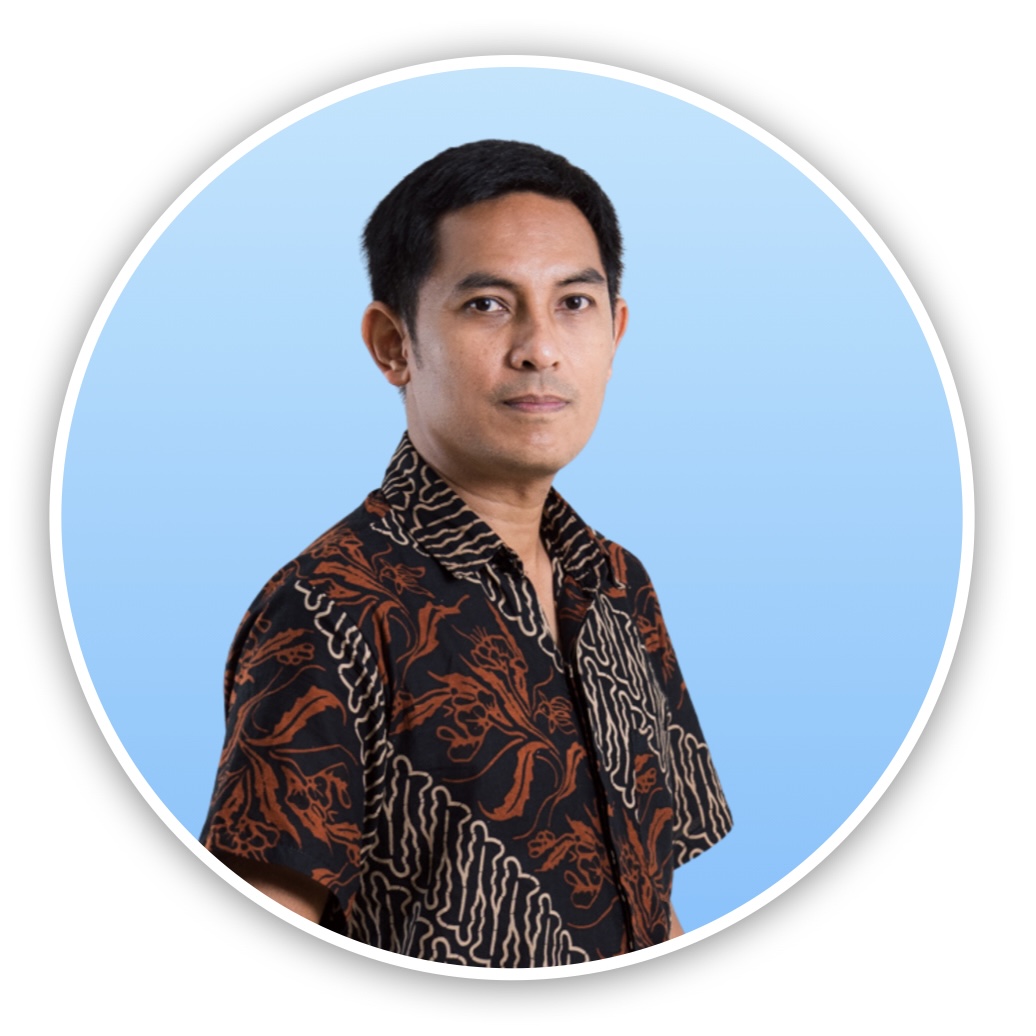
Asst. Prof. Tassana Nualsomsri
International Relations Program, Walailak University
“Living the Language, Shaping the Field: A First-Generation Thai Student’s Journey in BIPA and Indonesian Studies”
Tuesday 8 December, 10:10–10:30
Biography — coming soon
Academic Panel
Indonesian studies in Thailand has taken shape around a small number of institutions that trained and sustained its scholars, and around the teachers and researchers who now carry that work into universities across the country. They are at once the products of that long investment and the people who continue to build on it. Contemplating Indonesian Studies in Thailand: Academic Genealogies and Future Directions treats this history as a subject in its own right. A genealogy of the field asks more than what has been achieved. It asks how knowledge was passed on, which programs and mentors made it possible, and under what conditions it survived and grew. Such questions clarify the present by showing where the field is strong and where it still depends on continued commitment, and they turn the future into a matter of choice rather than inheritance: what must be sustained, what must be renewed, and what the next generation will need to build anew.

Davisakd Puaksorn
Naresuan University
Tiwaporn Jankaew
Songkhla Rajabhat University

Tuangthip Phromkhet
Silpakorn University
Sainee Tamphu
Yala Rajabhat University

Bancha Ratmanee
Walailak University
Closing and Day 2
A conference is measured not only by what is said on its stage but by what it leaves behind. The closing session draws the two days together, taking stock of the ideas raised and the connections made. Day 2 then turns these conversations into planning, giving the organizers and APPBIPA Thailand a space to shape longer-term cooperation among Thai and Indonesian institutions in language teaching, translation, and academic exchange.
Dr. Hamam Supriyadi
Summary of Academic Outcomes, and Chair of the Day 2 Strategic Dialogue
Senior Representative, APPBIPA Thailand
Asst. Prof. Dr. Siriporn Somboonboorana
Closing Remarks
Head of the International Relations Program, Walailak University
Academic Papers
Call for Papers
The 6th APPBIPA Thailand International Conference invites scholars, researchers, and educators to share new work on Indonesian language, literature, and culture in the digital age. We welcome research that examines how Indonesian is taught and learned, how literature crosses languages and borders, and how Thailand and Indonesia understand each other through language, culture, and history. Whether you are an established scholar, an independent researcher, or a graduate student, we invite you to join a community of BIPA educators and Indonesian studies specialists from Thailand, Indonesia, and beyond.
Themes
Teaching and learning BIPA
- Innovative BIPA pedagogy and second language acquisition in secondary and higher education
- Curriculum design, standardized language frameworks, and institutional policies for internationalizing BIPA
Digital innovation
- Generative AI, language models, and digital tools in language teaching and assessment
- Educational technologies, open-access resources, and self-directed learning in the digital era
Language, society, and regional relations
- Sociolinguistics, cultural diplomacy, and the soft power of Bahasa Indonesia in ASEAN and beyond
- Multidisciplinary perspectives in Indonesian studies, with a focus on Thai–Indonesian political, economic, and cultural relations
Literature and translation
- Contemporary Indonesian literature, criticism, and narrative identities, including themes of translation, loss, and social transformation in Southeast Asia
- Theory and practice of Indonesian-to-Thai translation, cross-cultural adaptation, and literary transfer
[Papers on other topics related to Indonesian language, literature, and culture are also welcome.]
Who Can Submit
Faculty members, researchers, BIPA educators, independent researchers, and graduate students. Undergraduate students are invited to submit through the separate Undergrad Sessions call.
What to Submit
An abstract of [250 to 300] words, written in Indonesian or English, with:
- Title of the paper
- Name(s), affiliation(s), and email of the author(s)
- Three to five keywords
- The theme that best fits the paper
- Preferred language of presentation (Thai or English)
- Preferred mode of presentation (on site or online)
- A short author biography of [about 100 words]
Language and Format
Papers may be presented in Indonesian, English, or Thai. Abstracts must be submitted in Indonesian or English. Presenters may choose to present on site at Walailak University or online. Each presentation is [15 minutes, followed by 5 minutes of discussion]. All times follow Thailand time (UTC+7).
Review and Selection
Abstracts are reviewed by the conference committee for relevance to the conference themes, clarity, and contribution to the field. Authors of accepted abstracts will be notified by [date].
Publication and Recognition
Accepted papers are presented in parallel sessions and may be developed into full papers for the conference proceedings. Presenters are also considered for the Best Paper Award. [Details of the proceedings, full-paper format, and deadline to be announced.]
Important Dates
| Call for papers opens | [date] |
| Abstract submission deadline | [date] |
| Notification of acceptance | [date] |
| Presenters confirm participation | [date] |
| Conference | 8 to 9 December 2026 |
| Full paper submission (for proceedings) | [date, after the conference] |
How to Submit
[Submission link or email to be announced.]
Contact
[Contact details to be announced.]
Undergrad Sessions
Call for Undergraduate Research
Every field renews itself through its youngest researchers. Across Thailand, a new generation is already learning Indonesian, in secondary schools, in universities, and increasingly on their own, and many of them are asking questions that older scholars have not yet thought to ask. The Undergrad Sessions give these students a place to present their own research on Indonesia and the wider Malay-Indonesian world, to hear from peers and senior scholars, and to take a first step into an international academic community. Two dedicated sessions at the conference are set aside for undergraduate work, and we warmly invite students from Thailand, Indonesia, and beyond to join us.
What We Welcome
We welcome research on Indonesian studies and the Malay-Indonesian world in the broadest sense, from any discipline and from any angle. Topics may include:
- Politics and international relations, such as Thai–Indonesian relations, ASEAN, Indonesian politics, and regional diplomacy
- Economy and development, such as trade, tourism, labor and migration, and regional development
- Society and culture, such as identity, religion, food, film, music, popular culture, and everyday life
- History and heritage, such as historical connections between Thailand and the Malay-Indonesian world, and how the past is remembered
- Language and education, such as learning Indonesian and Malay, teaching materials, and language in society
- Literature, translation, and the arts, such as Indonesian and Malay literature, translation into Thai, and performing and visual arts
[Projects on other topics related to Indonesia and the Malay-Indonesian world are also welcome. For a fuller picture of the research areas at the conference, see the Tracks on the Academic Papers page.]
Who Can Submit
Undergraduate students from universities in Thailand, Indonesia, and elsewhere. Research may come from a course project, a senior thesis, or independent work, and may be by an individual student or a small team of [up to 3] students. Graduate students and faculty are invited to submit through the Academic Papers call. We encourage students to work with a faculty advisor, and [an advisor’s name and email are required / recommended] on the submission form.
What to Submit
An abstract of [200 to 250] words, written in Indonesian or English, with:
- Title of the project
- Name(s) of the student author(s), university, and year of study
- Name and email of the faculty advisor
- Three to five keywords
- The area that best fits the project
- Preferred language of presentation (Indonesian, English, or Thai)
- Preferred mode of presentation (on site or online)
Language and Format
Projects may be presented in Indonesian, English, or Thai. Abstracts must be submitted in Indonesian or English. Each presentation is [10 to 12 minutes, followed by 5 minutes of discussion]. Presenters may choose to present on site at Walailak University or online. All times follow Thailand time (UTC+7).
Review and Selection
Abstracts are reviewed by the conference committee for relevance, clarity, and the quality of the research question. Authors of accepted abstracts will be notified by [date]. Faculty advisors are welcome to attend the sessions with their students.
Recognition
All presenters receive a [certificate of presentation]. One outstanding presentation is honored with the Best Undergraduate Presentation Award, announced at the closing ceremony. [Selection criteria to be announced.]
Important Dates
| Call opens | [date] |
| Abstract submission deadline | [date] |
| Notification of acceptance | [date] |
| Presenters confirm participation | [date] |
| Conference | 8 to 9 December 2026 |
How to Submit
[Submission link or email to be announced.]
Contact
[Contact details to be announced.]
Speech Competition
High School Indonesian/Malay Speech Competition
Speaking a language aloud, before an audience, is where learning becomes visible. It asks a student to organize ideas, choose words with care, and trust their voice in a language that is not yet fully their own. Indonesian is widely taught as a third language in secondary schools across Southern Thailand, and Malay is part of everyday life for many communities in the region, so the classroom is already full of students who are ready for this challenge. This competition gives them a regional stage, and gives their teachers a chance to see what their students can do, in front of scholars, educators, and guests who care about the languages they are learning.
Preliminary Round Topic
“Culture and Literature as Important Parts of Indonesian Language Studies in the Digital Era” (Budaya dan Sastra sebagai Bagian Penting dalam Pembelajaran Bahasa Indonesia di Era Digital)
This topic applies to the preliminary round only. Finalists will receive a new topic on the spot on the day of the competition. The topic is broad by design. A speech might explore how culture and literature help make language learning meaningful, how digital tools open up new ways of reaching Indonesian culture and literature, or what may be lost, or gained, when literature moves online. Students are encouraged to bring their own examples, whether from Indonesian film, music, folklore, contemporary writing, or their own experience of learning the language, and to make a clear argument rather than simply describe the topic.
At a Glance
| Who | Upper secondary school students [Grades 10 to 12] |
| Languages | Indonesian or Malay |
| Rounds | Preliminary round and final round, both held at the conference |
| Date and place | Tuesday 8 December 2026, competition rooms at Walailak University |
| Registration | [dates and method to be announced] |
How the Competition Works
Preliminary round. Competing on the topic announced above, students research, write, and rehearse their speeches in advance. Preliminary rounds are held in [two groups], and the strongest speakers from each advance to the final.
Final round. Finalists receive a topic on the spot and have about one hour to prepare. This round rewards quick thinking, clear organization, and command of the language, rather than a speech learned by heart.
Speech Length
[Preliminary round topic to be announced.]
- Preliminary round: [4 to 5 minutes]
- Final round: [3 to 4 minutes]
Judging Criteria
Speeches are judged on:
| Criterion | Weight |
|---|---|
| Content and structure: relevance to the topic, clear ideas supported by examples, a clear opening and conclusion | [40%] |
| Language: accuracy, vocabulary, pronunciation, and appropriate style | [30%] |
| Delivery: voice, intonation, expression, eye contact, and confidence | [25%] |
| Time and manners: respecting the time limit and competition etiquette | [5%] |
Rules for Participants
- Speeches must be the student’s own work. Teachers may guide preparation, but may not write the speech.
- Notes and script: reading a full script is not permitted / small cue cards are allowed.
- In the final round, dictionaries and electronic devices are not permitted during preparation.
- Students should arrive at least 30 minutes before their round. Order of speaking is drawn on the day.
- Dress code: school uniform / neat and modest attire.
- Teachers and chaperones are welcome to attend.
Prizes and Recognition
Every student who takes part in the competition receives a certificate recognizing their language ability and their courage to speak out before an audience. Results and awards are presented at the closing ceremony of the conference on Day 1.
Important Dates
| Registration opens | [date] |
| Registration closes | [date] |
| Competition day | Tuesday 8 December 2026 |
Contact
[Contact details to be announced.]
Judging Panel
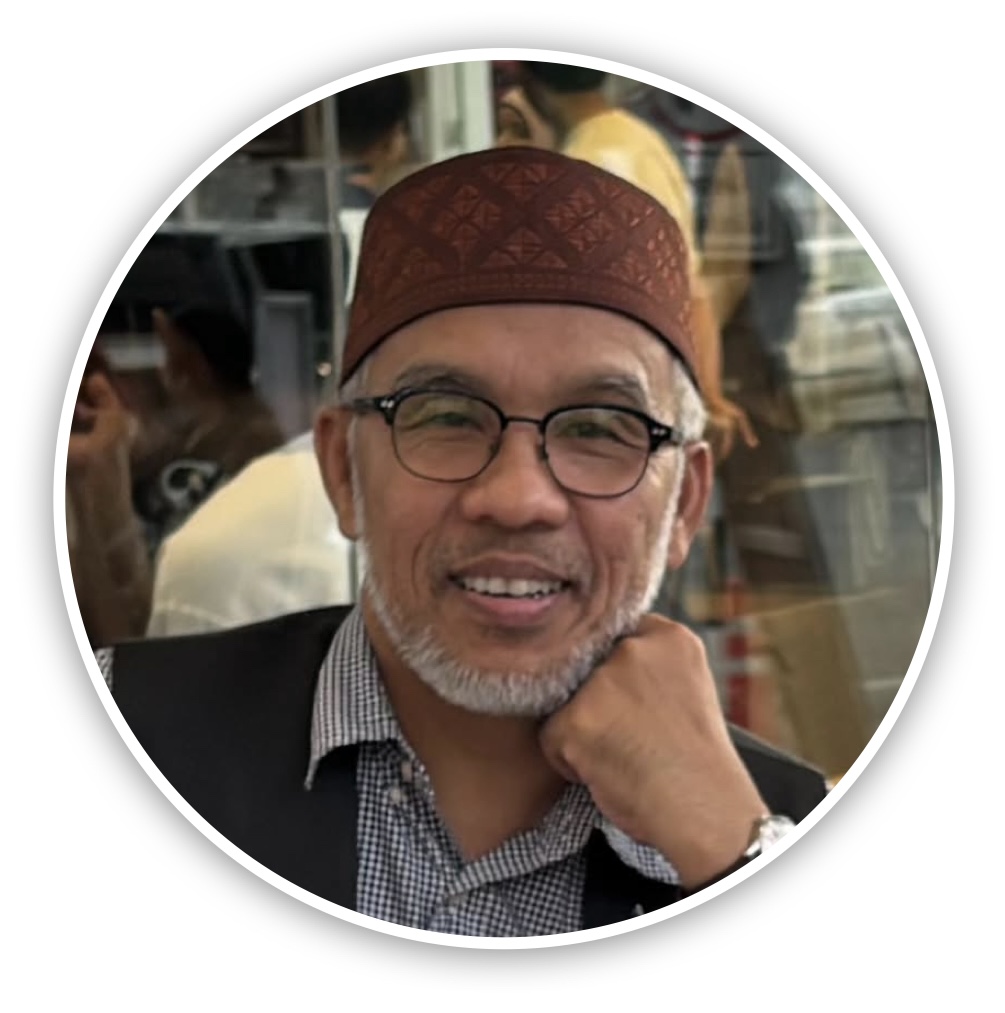
Abdulroya Panaemalae (Board Chair) is a senior scholar of Malay language and literature. A former lecturer in the ASEAN Studies program at Walailak University, he is also a poet and author whose writing has appeared regularly in both genres. His contributions to Thai literary life include translating several modern Malaysian works into Thai, and translating Siburapha’s novel Until We Meet Again into Malay as Sehingga Kita Bersua. Today he works as an independent writer and editor at an independent publishing house, continues to translate, and advises and edits Malay-to-Thai translations by writers in the southern border provinces.

Mahroso Doloh is a poet and writer working in contemporary Malay and Indonesian literature from Thailand’s southern border region. His poetry collections, including Kiblat Cinta and Pelabuhan Malam, are known in Malaysia and Indonesia. He heads the foreign language department at Hatyaiwittayakarn School, where he teaches Malay and Indonesian, and has served as a judge for Malay and Indonesian language competitions at both national and international levels.
[Name to be confirmed], Representative of APPBIPA Thailand. [Biography to be added.]
Panji Prizes
Translation is one of the most generous forms of reading. It asks a reader to enter another language, decide what a story means, and carry that meaning to a new audience in words that feel their own. The Panji Prizes for Indonesian Short Story Translation were created to give this work a public stage in Thailand. Organized by the International Relations Program of the School of Political Science and Public Administration at Walailak University, the inaugural competition invited students and members of the public to choose an Indonesian short story themselves and translate it into Thai under the theme The Weight of the Pasts. Beyond recognizing skill in two languages, the prizes encourage close, interpretive reading of contemporary Indonesian fiction and offer Thai readers a way into Indonesian life and society through literature. Presented at this conference, they link the competition to the wider conversation on language, literature, and translation that brings the BIPA and Indonesian studies community together.
| Organizer | International Relations Program, School of Political Science and Public Administration, Walailak University |
| Theme | The Weight of the Pasts |
| Categories | Students (up to undergraduate level) and General public |
| Source stories | Indonesian short stories published since 2015, 1,800 to 3,000 words, chosen by the translator |
| Each entry | A new Thai translation, a translator's preface (2 to 3 A4 pages) on the author, publication details, and the story's meaning in relation to the theme, a copy of the original, and an application form |
| Judging criteria | Quality of the translation (80%), choice of source story (10%), understanding and interpretation of the text as shown in the preface (10%) |
| Timeline | Submissions until 15 August 2026, judging 16 to 31 August, results announced 15 September 2026, awards presented at this conference |
Judging Panel
- Assoc. Prof. Dr. Davisakd Puaksorn, Chair
- Ms. Ida Aroonwong
- Ms. Linda Christanty
- Asst. Prof. Pensri Panich
- Asst. Prof. Dr. Jirawat Saengthong, Member and Secretary
The Winners
Students Category
| Prize | Translator | Thai Title | Original Story |
|---|---|---|---|
| First prize | รยานิริณ (pen name) | "เรื่องเล่าจากหลังวิหาร" | "Cerita dari Belakang Wihara" by Raisa Kamila |
| Second prize | ยูดิสทีรา (pen name) | "เทมบีลุก" | "Tembiluk" by Damhuri Muhammad |
| Honorable mention | นิธิมา รัญจวน | "กลับบ้าน" | "Pulang" by Marliana Kuswanti |
General Public Category
| Prize | Translator | Thai Title | Original Story |
|---|---|---|---|
| First prize | ฟัดลีนา ยะผา | "น้ำพริกบนเตียงนอน" | "Sambal di Ranjang" by Tenni Purwanti |
| Second prize | นันทพล แก้วกาญจน์ | "สมิง" | "Macan" by Seno Gumira Ajidarma |
| Honorable mention | พศิน เพียรดี | "ฉันรอเธออยู่" | "Aku Ngenteni Tekamu" by Martin Aleida |
At the Conference
The awards are presented at the closing plenary on Tuesday 8 December, and the Panji Prizes showcase takes place earlier the same day. The showcase has three parts.
Special address: “Indonesian Short Stories Today: Currents, Reflections, and Contemporary Perspectives.” Linda Christanty takes stock of Indonesian short fiction as it stands today, looking at the currents shaping it and the perspectives it opens on contemporary Indonesian life.
Special reflection: “Cross-Border Dialogues: Reading Indonesian Short Stories in the Context of Contemporary Thai Fiction.” Ida Aroonwong reads Indonesian short stories alongside contemporary Thai fiction, asking what the two literary worlds can learn from each other.
Translators’ dialogue: An interactive discussion with the prize-winning translators about their work and the choices that translation involves.
Linda Christanty is one of Indonesia’s most acclaimed authors and a journalist, born on Bangka Island in 1970. She has twice won the Khatulistiwa Literary Award in the Best Fiction category, and in 2013 she received the S.E.A. Write Award, presented in Thailand, for her collection Seekor Anjing Mati di Bala Murghab. Her collection Kuda Terbang Maria Pinto is available in Thai as ม้าบินของมาเรียปินโต [translator, Pensri Panich]. She also served on the judging panel of the 1st Panji Prizes.
Ida Aroonwong has worked across many areas of literary life and has made a significant contribution to reading in Thai society. She is a former editor of Aan (อ่าน) magazine, an important title in Thai literary and cultural studies, and has edited several major book series of great historical value. As a translator, she has worked on important historical works in Thai Studies. As a writer, she is a keen and incisive observer of Thai politics, culture, and society. She also served on the judging panel of the 1st Panji Prizes.
Translation Launch and Panel
Thai readers have long met their neighbors through translation. Stories from the Javanese and Malay worlds entered Thai court literature centuries ago, most memorably in Inao, and the movement of tales, printing, and reading across the region has never stopped. Translating the Malay-Indonesian World: From Past Trajectories to New Translations of Hang Tuah and Cerita dari Blora looks at this long history as a story about readers as much as texts: who chose what to translate, how books were made and circulated, and how Thai audiences learned to read the literature of the Malay-Indonesian world. The session then brings that history to two new Thai translations. Hikayat Hang Tuah is a pillar of Malay literary tradition and one of the legends through which Malay communities remember themselves. Cerita dari Blora is the beloved short story collection of Pramoedya Ananta Toer, one of Southeast Asia’s most important writers. One is a classical hikayat and the other a modern work born of twentieth-century Indonesia, and read together they show how much a translator must carry across, and how much a translation can give a reading public: not only a story, but a way of understanding the neighbor, and of understanding ourselves.
Format
- Part I: Official launch and special preview of the new Thai translations
- Part II: Panel discussion on the reception of Malay-Indonesian literature in Thailand
The Panelists

Assoc. Prof. Dr. Pichate Saengthong is a scholar of literary studies at the Faculty of Humanities and Social Sciences, Prince of Songkla University, Pattani Campus. He has played an active part in promoting the translation and publication of neighboring-country literature in Thailand, and his work as both researcher and advocate has helped bring these literatures within reach of Thai readers.
Zakariya Amataya is a poet and a recipient of the S.E.A. Write Award, with a wide-ranging and serious commitment to literature. His interests run from contemporary poetry back to the enduring charm of classical writing, and he brings the same earnestness to both. That commitment has led him to Hikayat Hang Tuah, which he has translated into Thai with great dedication, a task that asks for command of classical Malay as well as a poet’s ear for Thai.
Nisachon Chuchai teaches in the International Relations Program at Walailak University. A graduate of Walailak’s ASEAN Studies program, she went on to further study in Indonesia. She is an expert in the Indonesian language and Indonesian literature, with a deep love of literature, especially the arts and literature of Indonesia, and she is the lead translator of the new Thai edition of Cerita dari Blora, working with a team of translators.
Workshops
The workshops are where the conference moves from talking about Indonesia to experiencing it. Seven hands-on sessions run side by side across three workshop rooms, offering different ways into Indonesian culture: through language teaching and digital tools, through batik and handicraft, through dance, and through poetry. Each one is designed to be useful as well as enjoyable, whether a participant is a teacher looking for new classroom ideas, a student learning Indonesian, or simply curious about the country and its arts. Together they give participants a fuller picture of Indonesia than any single lecture could. Students who take part receive a certificate recognizing their participation in an international cultural activity.

Tech-Enhanced Language Learning: Interactive Digital Tools for Modern Classrooms
For teachers and learners alike, the question is no longer whether to use digital tools in the language classroom, but how to use them well. This hands-on session lets participants try interactive tools and think about how they can support teaching and learning.
Organized by Universitas Trunojoyo Madura (UTM), Indonesia.
Main person responsible: [to be announced].
Voices of Indonesian Poetry: Creative Expression and Recitation
Poetry comes alive when it is spoken. This workshop invites participants to read Indonesian poems aloud and explore creative expression in the language, a natural companion for anyone who has learned Indonesian in the classroom.
Led by Anindya Puspita, Representative of APPBIPA Thailand.
The Colors of Surabaya: Traditional Batik Crafting MasterclassSurabaya is not a city with a long batik-making tradition, yet local artisans have created batik of their own, with motifs drawn from the city’s history and identity. Its designs often draw on local symbols, such as the shark and crocodile of the city’s name and the rooster of the Sawunggaling legend, in bold, confident colors. This masterclass introduces batik through the eyes of that port city.
Organized by Universitas Negeri Surabaya (UNESA), Indonesia.
Main person responsible: [to be announced].
The Art of Batik: Traditional Patterns and Hands-On Crafting
Batik is a cultural heritage of Indonesia that is recognized around the world. This workshop turns to traditional patterns and the craft of making them by hand, giving participants a feel for the patience and precision behind each cloth.
Led by Dr. Ari Kusmiatun, Representative of APPBIPA Thailand.
Balinese Crafts and Heritage: An Interactive Handicraft Workshop
In Bali, handicraft is bound up with ritual and celebration. Floral offerings are placed in temples and family compounds, and bamboo poles become decorations raised in front of homes during festivals. This workshop lets participants make something by hand while learning what the craft means to the people who practice it.
Organized by Universitas Markandeya (UNDEYA), Indonesia.
Main person responsible: [to be announced].
Rhythms of Bali: An Interactive Dance and Movement Workshop
Balinese dance is closely tied to temple festivals and community celebrations, and its gestures and expressions carry meaning. This workshop invites participants to move rather than watch, and to try the movement that gives Balinese dance its character.
Organized by the Consulate of the Republic of Indonesia in Songkhla.
Main person responsible: [to be announced].
Grace in Motion: Practical Masterclass in Indonesian Traditional Dance
Indonesia’s traditional dances differ from region to region, each with its own music, costume, and story. This masterclass invites participants to learn the movements themselves and to experience, through the body, the grace and discipline of the tradition.
Led by Tatik Ekawati, Representative of APPBIPA Thailand.
Schedule
Day 1 — Tuesday 8 December 2026
08:30 – 09:00 Registration
09:00 – 09:15 | Opening Showcase
- Introductory Remarks — Mr. Islahuddin, Chairperson, APPBIPA Thailand
- Welcome Cultural Performance
- Video: “WU–Indonesia Alumni Retrospective: Two Decades of Educational & Cultural Exchange” — introduced by Asst. Prof. Dr. Jirawat Saengthong
09:15 – 09:45 | Official Opening
- Reporting Remarks — Asst. Prof. Dr. Neeranat Kaewprasert Rakangthong, Acting Dean, School of Political Science and Public Administration
- Welcome and Opening Address — Prof. Dr. Sombat Thamrongthanyawong, President, Walailak University
- Diplomatic Address — H.E. Mr. Hari Prabowo, Ambassador of the Republic of Indonesia to the Kingdom of Thailand
- Group Photo & Presentation of Tokens of Appreciation
09:45 – 10:10 | Plenary Address
- “Global Perspectives on BIPA Development: Policy and International Standards” — Prof. Dr. Gatut Susanto, Chairperson, APPBIPA Pusat
10:10 – 10:30 | Keynote Experience
- “Living the Language, Shaping the Field: A First-Generation Thai Student’s Journey in BIPA and Indonesian Studies” — Asst. Prof. Tassana Nualsomsri
10:30 – 10:45 Coffee Break
10:45 – 12:15
Plenary Hall — Academic Panel
- “Contemplating Indonesian Studies in Thailand: Academic Genealogies and Future Directions”
- Moderator: Tassana Nualsomsri
- Panelists: Davisakd Puaksom (Naresuan University), Tiwaporn Jankaew (Songkhla Rajabhat University), Tuangthip Phromkhet (Silpakorn University), Sainee Tamphu (Yala Rajabhat University), Bancha Ratmanee (Walailak University)
Paper Presentations
- Room 1 — Session A [title TBA]
- Room 2 — Session B [title TBA]
- Room 3 — Session C [title TBA]
Workshops
- Room 1 — “Voices of Indonesian Poetry: Creative Expression and Recitation” — Anindya Puspita
- Room 2 — “Grace in Motion: Practical Masterclass in Indonesian Traditional Dance” — Tatik Ekawati
- Room 3 — “Tech-Enhanced Language Learning: Interactive Digital Tools for Modern Classrooms” — Universitas Trunojoyo Madura (UTM)
Speech Competition
- Preliminary Round, Group I
12:15 – 13:15 Lunch Break
13:15 – 14:30
Plenary Hall — Translation Launch & Panel
- “Translating the Malay-Indonesian World: From Past Trajectories to New Translations of Hang Tuah and Cerita dari Blora“
- Part I: Book Launch & Special Preview — new Thai translations of Hikayat Hang Tuah and Cerita dari Blora
- Part II: Panel Discussion
- Moderator: Jirawat Saengthong
- Panelists: Pichate Saengthong, Zakariya Amataya, Nisachon Chuchai
Paper Presentations
- Room 1 — Session D [title TBA]
- Room 2 — Session E [title TBA]
- Room 3 — Undergraduate Session F [title TBA]
Workshops
- Room 1 — “Rhythms of Bali: An Interactive Dance & Movement Workshop” — Consulate of the Republic of Indonesia in Songkhla
- Room 2 — “The Colors of Surabaya: Traditional Batik Crafting Masterclass” — Universitas Negeri Surabaya (UNESA)
- Room 3 — “Balinese Crafts & Heritage: An Interactive Handicraft Workshop” — Universitas Markandeya (UNDEYA)
Speech Competition
- Preliminary Round, Group 2
14:30 – 15:45
Plenary Hall — Panji Prizes Showcase
- Part I: Special Address — “Indonesian Short Stories Today: Currents, Reflections, and Contemporary Perspectives” — Linda Christanty
- Part II: Special Reflection — “Cross-Border Dialogues: Reading Indonesian Short Stories in the Context of Contemporary Thai Fiction” — Ida Aroonwong
- Part III: Translators’ Dialogue with the Panji Prize winners — Moderator: Pensri Panich
Paper Presentations
- Room 1 — Session G [title TBA]
- Room 2 — Session H [title TBA]
- Room 3 — Undergraduate Session I [title TBA]
Workshop
- Room 1 — “The Art of Batik: Traditional Patterns and Hands-On Crafting” — Dr. Ari Kusmiatun
Speech Competition
- Final Round
15:45 – 16:00 Coffee Break
16:00 – 17:00 | Closing Plenary & Award Ceremony
- Part I: Summary of Academic Outcomes & Event Synthesis — Dr. Hamam Supriyadi, Senior Representative, APPBIPA Thailand
- Part II: Award Presentations
- Panji Prizes for Indonesian Short Story Translation
- Best Undergraduate Presentation Award
- Best Paper Presentation Awards
- High School Indonesian/Malay Speech Competition Awards
- Part III: Closing Address — Asst. Prof. Dr. Siriporn Somboonboorana, Head, International Relations Program
Day 2 — Wednesday 9 December 2026
09:00 – 12:00
- “Reflection and Strategic Dialogue: Joint Meeting between the Organizing Committee and APPBIPA Thailand”
- Chaired by: Dr. Hamam Supriyadi
- Location: Meeting Room 2, Academic Building 5, School of Political Science and Public Administration
- Closed session — Organizing Committee and APPBIPA Thailand only
Venue
The 6th APPBIPA Thailand International Conference is held at Walailak University, in Nakhon Si Thammarat, Southern Thailand.
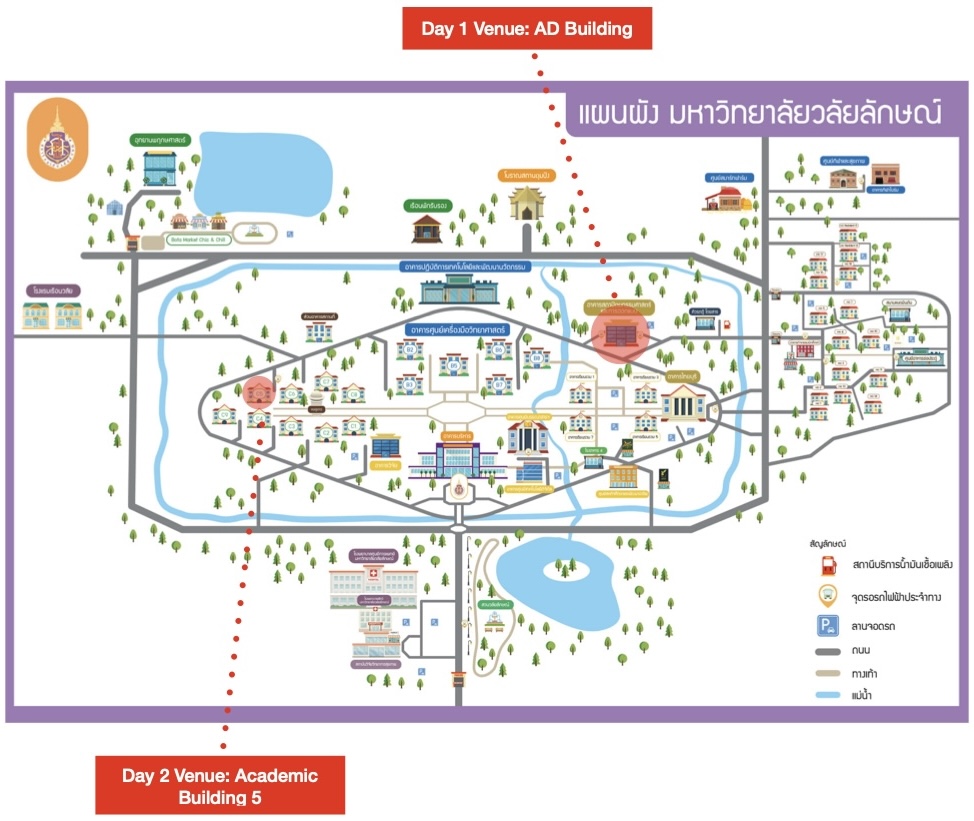
- Day 1 (Tuesday 8 December) takes place in the Sri Thammarat Conference Room, on the ground floor of the Architecture and Design (AD) Building.
- Day 2 (Wednesday 9 December), the strategic dialogue between the Organizing Committee and APPBIPA Thailand, takes place in Meeting Room 2, Academic Building 5, School of Political Science and Public Administration.
About Walailak University
Walailak University is a public university on a large, green campus in Tha Sala district, Nakhon Si Thammarat, about an hour’s drive from Nakhon Si Thammarat city. It has taught Southeast Asian Studies and Indonesian language since 2003, through the School of Political Science and Public Administration, and hosts this conference as part of that long-standing commitment. The campus is a fitting home for a conference on regional studies: it brings together classrooms, research centers, dormitories, and green space on a scale rarely found in a Thai university.
That scale is also worth knowing before you arrive. The campus is very large, and finding your way to a specific building on foot can take longer than expected. Please use the map above, or the Google Map link, to locate the AD Building and Academic Building 5 in advance, and allow extra time if you are walking from another part of campus or from your accommodation.
Getting There

By Air
Nakhon Si Thammarat Airport (NST) is the closest airport to the university, about 45 minutes to an hour by road.
- From Bangkok: Direct flights connect Bangkok (Suvarnabhumi or Don Mueang) to NST in about 1 hour 15 minutes to 1 hour 30 minutes, operated by several airlines including Thai AirAsia, Thai Lion Air, Thai Vietjet Air, and Nok Air. This is the most convenient route for most participants and the one we recommend.
- From Hat Yai: Travelers from Indonesia often arrive at Hat Yai International Airport (HDY), typically with one stop in Kuala Lumpur. From Hat Yai, continue to Nakhon Si Thammarat by road, a journey of about 220 km (roughly 3 to 4 hours by car or bus).
- From Phuket: Bali (Denpasar) has a daily direct flight to Phuket (HKT) with Indonesia AirAsia, taking about 3 hours 50 minutes, which makes Phuket a useful gateway for participants coming from Bali. From Phuket, continue to NST by connecting through Bangkok, or by road (see below).
- From Krabi: Krabi (KBV) is an established international gateway and another option for travelers from Indonesia, typically reached with one stop, commonly through Kuala Lumpur. Krabi is also close enough to reach NST by road (roughly 100 to 110 km).
Connecting from Indonesia: Aside from the Bali–Phuket route above, most connections from Indonesia go through Kuala Lumpur (for Hat Yai or Krabi) or Bangkok (for NST directly).
** Flight schedules and airlines change often. Please check current schedules closer to the conference.
From Nakhon Si Thammarat Airport to Walailak University
- Taxi: Taxis are available at the airport and take about 30 minutes to reach the university.
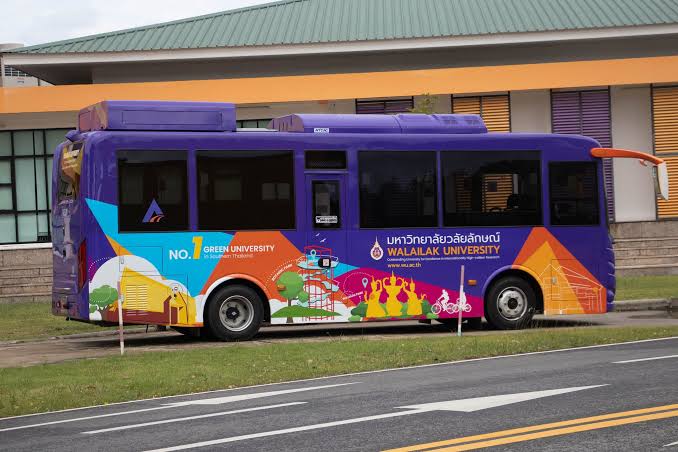
- University bus: A bus service to and from the university will run during certain arrival windows. [Schedule to be announced closer to the conference.]
By Train and Bus
- Train: An overnight train runs from Bangkok to Nakhon Si Thammarat (via Thung Song), taking around 15 hours.
- Bus: Air-conditioned buses run from Bangkok (Southern Bus Terminal or Mo Chit) to Nakhon Si Thammarat, taking roughly 10 to 14 hours. From Hat Yai, buses to Nakhon Si Thammarat take about 3 to 4 hours.
These options take considerably longer than flying, but they also offer something a flight cannot: a slower journey through the Thai countryside, with rice fields, small towns, and the rhythm of everyday life passing by the window. For travelers with time to spare, or who simply enjoy travel as part of the experience, the overnight train or a daytime bus can be a memorable way to arrive.